

Where You Stay Shapes What You See
Not all safari landscapes operate in the same way.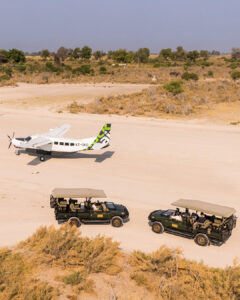
In Kenya and Botswana, the difference often comes down to land – how it is managed, who it is shared with, and how many people are allowed to move through it.
Camps operated by Great Plains Conservation are positioned within private conservancies and protected regions where those decisions are deliberate. The result is not only a different kind of access, but a different pace and quality of experience on the ground.
Kenya: Private Conservancies on the Edge of the Mara
In southern Kenya, the Masai Mara National Reserve is often the reference point. But some of the most meaningful safari experiences take place just beyond its borders.
Private conservancies surrounding the Mara operate under a different model – one that limits the number of vehicles, supports local landowners, and allows for greater flexibility in how time is spent on safari. Off-road driving, walking, and night drives are permitted here, creating a more varied and less structured experience.
At Mara Plains Camp, this translates into consistent access to one of the most wildlife-rich ecosystems in Africa, without the density often associated with the reserve itself.
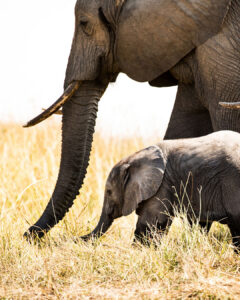
Further east, ol Donyo Lodge sits on Maasai-owned land between Amboseli and Tsavo, with views toward Mount Kilimanjaro. The landscape shifts, more open, more varied, and so does the experience. Days here might include tracking wildlife on foot, riding on horseback, or spending time in one of the lodge’s underground hides as elephants approach nearby waterholes.
Botswana: Water, Movement, and Scale
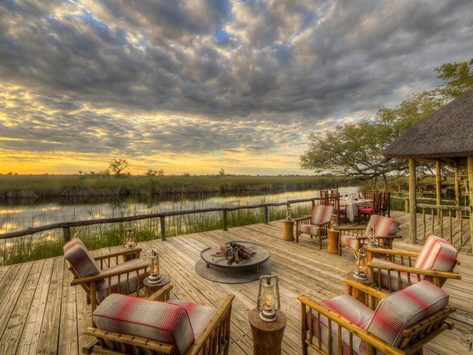
In Botswana, the experience is shaped by water.
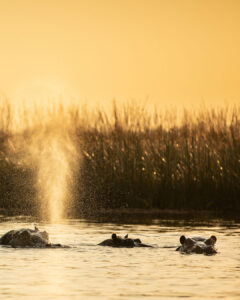
The Okavango Delta is a dynamic system, expanding and contracting with seasonal floods that influence where wildlife gathers and how it is encountered. Camps positioned within this landscape offer a combination of land- and water-based experiences – game drives alongside boating and mokoro excursions – depending on the time of year.
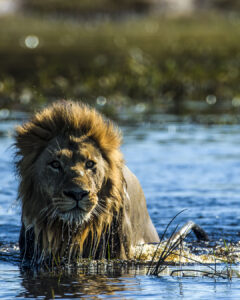
Duba Plains Camp is known for its location within a particularly productive part of the Delta, where predator and prey dynamics play out at close range, especially between lions and buffalo.
To the east, in the Selinda Reserve, Zarafa Camp operates within a large, protected corridor that supports significant elephant movement between northern Botswana and Angola. The scale here is different – more space, fewer vehicles, and a sense of continuity across the landscape.
Walking safaris, night drives, and seasonal fishing further expand how time is spent, creating days that are shaped less by schedule and more by conditions on the
 ground.
What This Means for the Experience
Across both Kenya and Botswana, these landscapes share a common thread: low guest density and access to private land.
In practical terms, this means fewer vehicles at sightings, more time to stay with wildlife, and greater flexibility in how each day is structured. It also allows for a broader range of activities, from walking and horseback safaris to time on the water or in underground hides, that are not always possible in more regulated areas.
The experience becomes less about moving from one sighting to the next, and more about how time is spent within a place.
Timing and Perspective
From April through early June, and again in November and December, these regions take on a different rhythm.
Wildlife remains strong, but the pace softens. Landscapes shift with seasonal conditions – greener, more varied – and there are typically fewer vehicles moving through the conservancies and reserves.
For travelers, this often results in a more spacious experience overall, with the same depth of access and guiding.
A Different Way to See
Where you stay does more than determine where you sleep. It shapes how you move, what you encounter, and how much time you are given within it.
In Kenya and Botswana, camps positioned within working conservation landscapes offer a version of safari that is not only defined by wildlife, but by the systems that support it – and the decisions that allow it to remain that way.
Interested in a safari at these camps? Let us know. We’d love to get to work planning your 2026 safari.
For those considering travel in 2026, a series of seasonal advantages are currently available across select Great Plains camps in Kenya and Botswana – including multi-night stays across two camps and complimentary inter-camp flying within each country.
These are offered for travel from April through early June, and again in November and December (excluding festive season in Kenya), when landscapes are at their most varied and the overall pace is more open.
For honeymoon travelers, a 25% partner benefit may also apply for travel within one year of marriage.
Photo Credit: Great Plains Conservation