


Safari Changes Your Relationship To Time
Safari begins before the first game drive.
For some travelers, the best arrival in Africa includes a quiet day or two to sleep, move, recover from the flight, and feel their feet beneath them again. Others arrive energized and ready to explore a city, visit museums, meet a guide, or begin making the most of every available hour.
The right beginning is personal. What matters is recognizing that the transition itself is part of the journey.
Arriving on your own terms
International travel asks a great deal of the body and mind. Time zones shift. Familiar routines disappear. Even the light feels different.
A traveler who arrives rested may notice more on that first morning in the bush: the cool air before sunrise, the alarm call of a francolin, the change in a tracker’s posture when something appears in the road ahead. Another traveler may feel most alive after immediately entering the energy of Johannesburg, Cape Town, Nairobi, or Victoria Falls.
There is no single correct way to arrive. The important question is not how many experiences can fit before safari begins, but what kind of beginning will allow each traveler to be fully present for what follows.
That might mean two quiet nights with time to exercise and recover. It might mean art, history, food, and conversation. It might mean landing in Africa one afternoon and flying into the bush the next morning.
Bushtracks designs around the traveler, not an assumed formula.
When the clock loses its authority
Life in the bush follows a different measure of time.
Mornings begin before dawn. The day is shaped by light, temperature, weather, tracks in the road, and the movements of animals. A planned game drive may change because lions have been heard calling, fresh leopard tracks appear, or elephants are gathering near the river.
Phones remain close because they have become our cameras. Yet the impulse to check them begins to fade. Reception may be limited, but something more powerful is happening: attention has shifted elsewhere.
Time is no longer divided into meetings and notifications. It is measured by the first warmth of the sun, the pause at a waterhole, the length of a story around the fire, or the patience required to follow tracks without knowing where they will lead.
Safari does not demand that travelers slow down. The landscape does it naturally.
The return is also a transition
Coming out of the bush can be surprisingly intense.
After days shaped by wildlife, open space, and the rhythms of light, returning to a busy hotel, a crowded town, or the constant availability of the digital world can feel abrupt. The sounds are different. Decisions return. Time begins accelerating again.
Some travelers want to keep moving. They may continue to Cape Town, explore Victoria Falls, spend time on an Indian Ocean island, or fit another part of Africa into a journey they may have waited years to take.
Others want a gentler return: a quiet hotel, a beach, a spa, or simply an unhurried day before boarding the flight home.
Neither approach is about doing Africa correctly. One traveler may want to use every hour. Another may discover that leaving room around the experience allows it to settle more deeply.
The role of thoughtful journey design is to understand which traveler is making the journey.
Making time part of the design
Knowing how to pace a safari is one of the less visible forms of expertise. After decades of designing journeys across Africa, and traveling these routes ourselves, Bushtracks understands that timing is not simply the number of nights spent in each place. It is how flights, transfers, wildlife rhythms, personal energy, and the desire to explore work together.
The days before and after safari should not be treated as logistical margins. They influence how travelers enter the wild and how they carry it home.
That is why the planning conversation goes beyond destinations and room categories. How do you respond to a long flight? Do you regain energy through activity or quiet? Will this be your first journey to Africa? Do you want to experience as much as possible, or create space to absorb each place more fully?
The answers shape the journey’s rhythm.
Safari may change the way you experience time. A thoughtfully designed beginning allows you to arrive ready for that change. A considered ending gives you space to recognize it before the pace of life resumes.
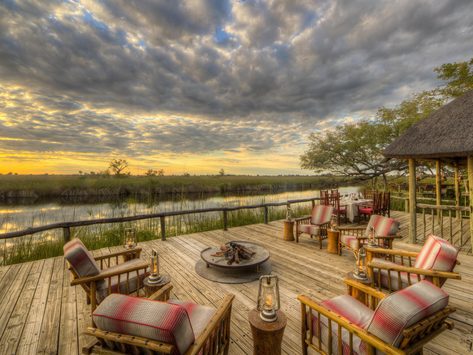
Photo courtesy of Elewana Lewa Safari Camp