

Why December Belongs on the Safari Calendar
Green Season begins with the return of summer rains to much of Southern Africa. By December, the change is visible across many safari regions.
Landscapes that spent months in shades of gold and brown begin turning green. Seasonal pans fill with water. Migratory birds arrive. Many antelope species give birth, and fresh grass and new water sources change how wildlife moves across the landscape.
For travelers accustomed to thinking of safari primarily as a dry-season experience, December offers a distinctly different view of Africa.
The landscape changes quickly
The transformation following the first sustained rains can be remarkable. New grass emerges, trees leaf out and wildflowers begin appearing across landscapes that only weeks earlier were dry.
Afternoon clouds build into thunderstorms, often followed by clear skies and striking light. For photographers, the combination of green landscapes, dark storm clouds and cleaner air can make December particularly rewarding.
The rain does not necessarily mean days spent indoors. In many safari regions, summer rain arrives in localized afternoon storms, with considerable sunshine between them. Weather, of course, remains unpredictable.
Wildlife moves
During the dry season, permanent water sources concentrate wildlife and can make certain sightings more predictable. Once the rains return, temporary pans fill, grasses emerge and animals are able to range more widely across the landscape.
For many species, the rains also coincide with a period of abundance. Impala in much of Southern Africa give birth within a remarkably concentrated period around the beginning of the summer rains, while other antelope species also time births to take advantage of fresh grass and new vegetation. Predators respond in turn, adapting their movements and hunting strategies as prey disperses and young animals appear.
In Botswana’s Nxai Pan, the change happens on an even larger scale. Rains transform the dry pans and surrounding grasslands, drawing large numbers of zebra and wildebeest into the area to feed on fresh growth.
Green Season doesn’t offer a lesser version of dry-season wildlife viewing. It offers a different chapter in the annual cycle.
For birders, December is a different world
Southern Africa’s resident birds are joined during the Green Season by migrants arriving from elsewhere in Africa and from the Northern Hemisphere.
Many resident species are also breeding, bringing courtship displays, nesting activity and breeding plumage.
Even travelers who don’t consider themselves birders tend to notice the difference. The bush simply sounds different.
There can be value, too
December can also present opportunities that are harder to find during peak dry-season months.
Depending on the destination and dates, camps may have greater availability and seasonal rates can offer excellent value. With fewer travelers in some regions, the experience can feel particularly relaxed.
But Green Season isn’t simply a less expensive version of peak season.
It is its own season, with its own wildlife patterns, landscapes and reasons to travel.
Thinking about Africa this December?
There is still time to plan a safari for December 2026.
If you’ve been thinking about Africa but assumed 2026 was already out of reach, talk with one of our safari experts. We can help identify where December is at its best and design a journey around the experiences you most want to have.
We’d love to help you start planning your December safari.
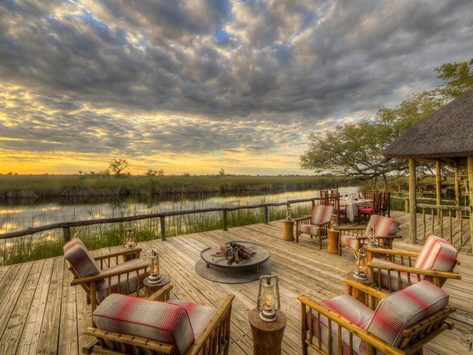
Photo: Camp Xakanaxa, Moremi Game Reserve, Botswana