

How to Design a Safari Around Experiences, Not a Checklist
Most safari itineraries begin with a destination. Botswana. Zambia. The Okavango Delta. Victoria Falls.
But a destination does not tell you how a journey will feel. Two travelers can visit the same region and have completely different experiences depending on how they move, where they stay, how long they remain, and what they do once they arrive.
The Wild Reset is a 12-day private safari through Botswana and Zambia, connecting the Okavango Delta with the Zambezi and Victoria Falls. It is part of a new collection of customizable Bushtracks safaris—complete journeys designed to inspire, then tailored to each traveler’s interests, pace, and preferred style of travel.
The Wild Reset began with a different planning question: What if a safari were built around the many ways a traveler can experience a wild place—not simply around a list of animals to see?
A Safari Can Change When The Way You Move Changes
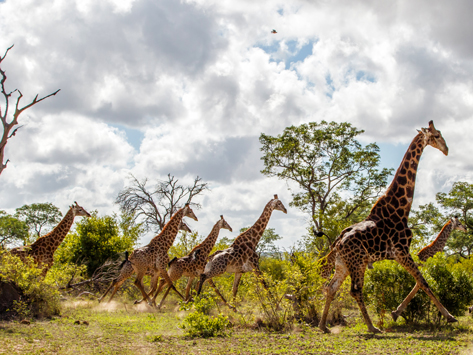
A game vehicle covers ground and creates access to a wide range of habitats. It is one of safari’s most effective tools. But it is not the only way to understand a landscape.
On foot, attention narrows. Tracks, insects, plants, wind direction, and animal behavior become part of the experience. From a mokoro, the Okavango Delta is understood at water level, moving quietly through channels and reeds. From a helicopter, the same system becomes visible at scale: floodplains, islands, animal paths, and water spreading across terrain with almost no roads.
The point is not to replace the game drive. It is to build a journey in which each mode of travel reveals something different.
The Okavango Delta From The Ground, Water, and Air
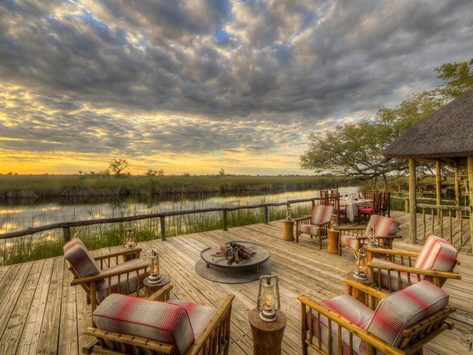
The Wild Reset spends seven nights in two different parts of Botswana’s Okavango Delta. The first is Abu Private Reserve, reached by helicopter and encompassing approximately 74,000 acres of wilderness. Days may include game drives, walking safaris, tracking, and mokoro excursions when water conditions allow.
The journey between Kweene River Camp and Magwegwe Camp is treated as part of the safari rather than as a transfer to complete. Guests may travel by vehicle, on foot, by mokoro, or through a combination of the three while the camp team moves ahead. The changing landscape—not the clock—sets much of the rhythm.
A helicopter flight then connects the reserve with Karangoma in the Mapula and Sekwana concession. Seen from above, the Delta’s geography becomes easier to read. On the ground, the perspective shifts again through wildlife viewing and time in a camp created in partnership with Olatotse Sarefo of Gudingwa and rooted in Bukakhwe San and Hambukushu traditions.
Wildlife Encounters With Context
The itinerary begins near Maun with a visit to Elephant Havens, which rescues and rehabilitates orphaned elephants for eventual return to the wild. The visit adds context to elephant conservation before travelers enter the Delta’s free-ranging herds and habitats.
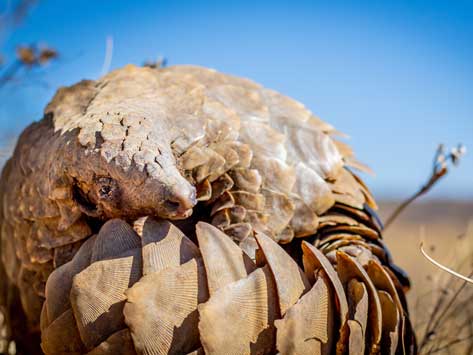
In Zambia, the experience changes from water-shaped wilderness to the Zambezi and Victoria Falls region. Guests can track white rhinos on foot in Mosi-oa-Tunya National Park with expert guides, replacing the distance of a vehicle with a slower, more deliberate encounter. River cruises, Livingstone Island, and the Falls itself provide other perspectives on a landscape defined by water.
Each experience reveals a different side of the journey. Together, they create a safari that moves between wildlife, landscape, conservation, and the people who understand these places most deeply.
A Historic Train Belongs In The Same Story
The journey concludes aboard the Royal Livingstone Express, our restored train that crosses the Victoria Falls Bridge at sunset. At first glance, a four-course dinner on a historic train may seem separate from the wilderness experiences that precede it.
A well-designed safari can hold more than one kind of experience. Adventure, observation, comfort, history, and celebration can coexist. The train provides a deliberate change of pace at the end of an active journey—and a final view of the Zambezi landscape from yet another angle.
The Role Of A Customizable itinerary
The Wild Reset is the first in a new collection of Bushtracks customizable itineraries. It is not a fixed departure or a template that every traveler must follow exactly. It is a starting point: an example of what becomes possible when a safari is organized around a central idea.
The featured journey is 12 days, travels through Botswana and Zambia, and is best suited to active travelers comfortable with helicopters, light aircraft, boats, safari vehicles, and walking on uneven ground. The recommended travel period is April through December, with the character of the Delta and wildlife viewing changing as floodwaters and seasons shift.
Because The Wild Reset is a private safari, it can become your own. You might add more time on foot, request a private vehicle, slow the pace between camps, or extend your stay along the Zambezi. The itinerary provides the inspiration; your interests determine the final journey.
Begin With The Idea
A wildlife checklist can be useful, particularly for a first safari. But it is only one way to define a successful journey.
A safari can also be designed around water, movement, conservation, photography, family connection, physical challenge, solitude, or simply the desire to spend more time outside a vehicle. Once that idea is clear, destinations become more than names on a map. They become the places best able to deliver the experience.
That is the thinking behind The Wild Reset: not fewer wildlife encounters, but a broader way of experiencing the landscapes that make them possible.