




Where the Wild Returns


Where the Wild Returns
Mozambique’s wilderness tells a story that extends far beyond the traditional safari. In Gorongosa National Park, wildlife is returning to a landscape once devastated by conflict. Farther east, the islands of the Bazaruto Archipelago protect coral reefs, marine life, and an altogether different world.
This 14-day journey moves from Gorongosa’s savannas, forests, and floodplains to Benguerra Island’s white-sand beaches. Seven nights between two intimate safari camps offer time to understand the park’s remarkable recovery before five nights beside the Indian Ocean.
It is a journey of contrasts, but not a hurried combination of bush and beach. Each place has room to reveal its character, and each offers a different perspective on Mozambique’s natural heritage.
Why We Love This Safari
- Explore Gorongosa National Park, one of Africa’s most ambitious wildlife restoration landscapes.
- Spend seven nights between two complementary safari camps, each revealing a different part of Gorongosa.
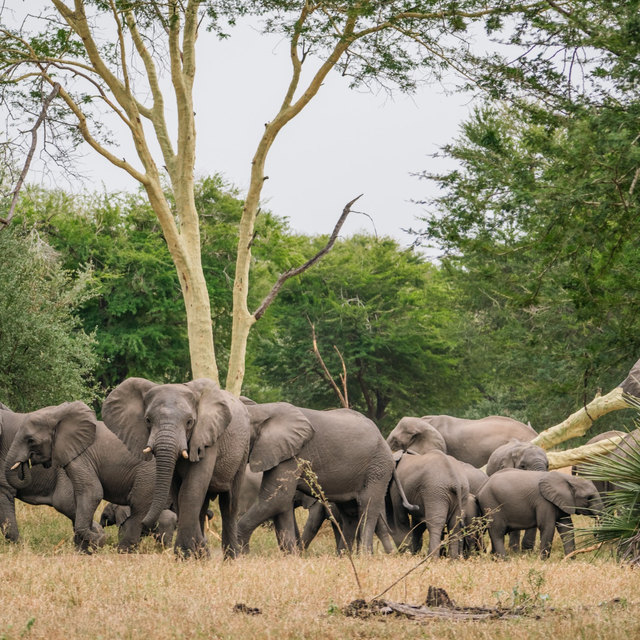
- Discover recovering populations of elephants, lions, wild dogs, and antelope across an extraordinary range of habitats.
- Experience the park beyond game drives, with guided walks and seasonal boating when conditions permit.
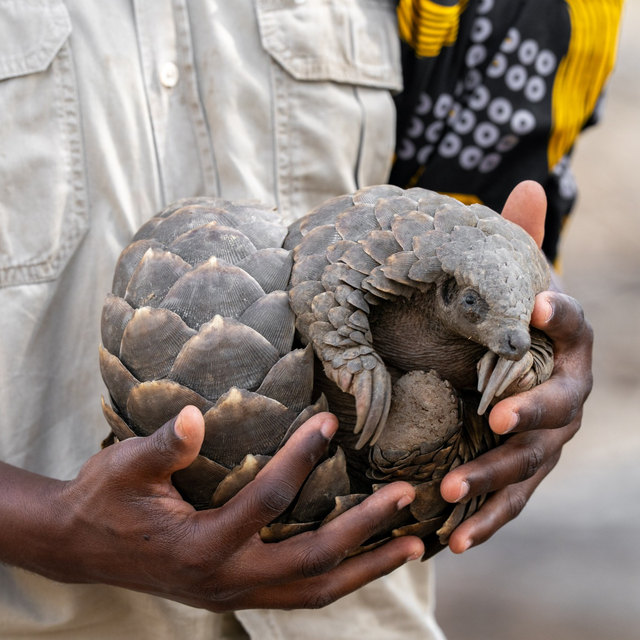
- Learn about pangolin rescue and rehabilitation through a possible conservation-centre visit, always guided by animal welfare.
- Fly from Gorongosa to the coast and arrive on Benguerra Island by helicopter.
- Spend five nights on the Indian Ocean, including a featured snorkeling excursion at Two Mile Reef.
- Experience two protected ecosystems in one journey, from the recovery of inland wilderness to the conservation of marine habitats.
Best Time To Travel: May – October
The drier months generally offer more reliable access and wildlife viewing in Gorongosa. May through October is a useful starting point for planning, although the seasonal operating dates of Chicari Camp must be confirmed.
Benguerra Island can be rewarding throughout much of the year. Winds, tides, and sea conditions influence snorkeling and boating, so Bushtracks will tailor travel dates to the balance of safari and marine experiences you prefer.
Safari+
Beyond the Game Vehicle
This journey moves from the recovery of a terrestrial ecosystem to the conservation of a marine one. Experiences are shaped by season, conditions, and the individual traveler’s interests.
- On Foot
- Guided walking safaris in Gorongosa
- Beach walks on Benguerra Island
- On Water
- Seasonal boating excursions on Lake Urema or the Urema floodplain
- Snorkeling at Two Mile Reef
- Dhow sailing, island excursions, scuba diving, and fishing*
- Wildlife & Conservation
- Guided game drives and birdwatching in Gorongosa
- Possible visit to the Pangolin Rescue Centre, subject to permission and operations
- Island Time
- Beach and pool time at Azura Marlin Beach
- Spa treatments and additional guided marine excursions*
*Available at additional cost unless specifically included in your personalized itinerary. Activities depend on weather, conditions, and operator availability.
Video courtesy of Gorongosa Safaris.
Highlights
- Discover Gorongosa National Park, one of Africa’s most remarkable wildlife restoration stories, where recovering populations of elephants, lions, wild dogs, and antelope inhabit a mosaic of savannas, forests, wetlands, and floodplains.
- Explore Gorongosa from two distinct safari camps, experiencing the riverine landscapes surrounding Muzimu Lodge and the wildlife-rich seasonal waterhole at Chicari Camp.
- Spend seven nights immersed in Gorongosa, allowing time to explore the park’s extraordinary biodiversity and understand the conservation work reshaping its future.
- Venture beyond traditional game drives with guided walking safaris and seasonal boating excursions, exploring Gorongosa’s landscapes from different perspectives when conditions allow.
- Gain insight into Gorongosa’s pangolin rehabilitation and rewilding efforts through a potential visit to the Pangolin Rescue Centre.
- Travel by light aircraft from Gorongosa to Mozambique’s Indian Ocean coast, then continue by helicopter to Benguerra Island in the protected Bazaruto Archipelago.
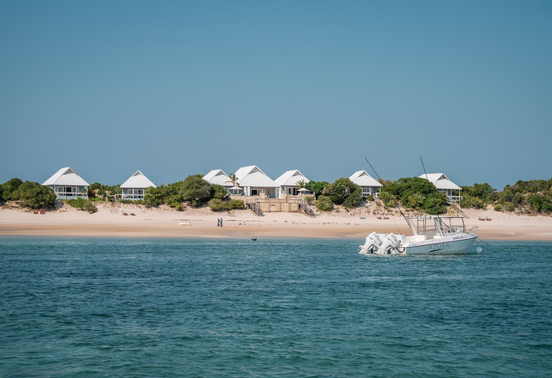
- Exchange the wilderness of Gorongosa for five nights on Benguerra Island, where white-sand beaches, turquoise waters, and the coral gardens of Two Mile Reef introduce an entirely different side of Mozambique.
Who This Journey Is For
This safari is ideal for travelers who:
- Want to experience one of Africa’s most compelling wildlife restoration stories, where conservation and ecological recovery are central to the journey.
- Are drawn to less-traveled safari destinations and want to explore Mozambique beyond its celebrated coastline.
- Appreciate intimate tented camps, exceptional natural settings, and a strong connection to the surrounding wilderness.
- Enjoy varied safari experiences, from traditional game drives to guided walks and seasonal boating excursions.
- Want to spend meaningful time in each destination rather than moving frequently between camps and lodges.
- Are interested in marine environments, coral reefs, and the extraordinary biodiversity of the Bazaruto Archipelago.
- Want to combine an immersive African safari with a substantial Indian Ocean island stay, balancing wildlife exploration with time to relax.
Why This Journey Works
Gorongosa and Benguerra Island reveal two remarkably different sides of Mozambique, connected by a shared story of conservation and ecological renewal.
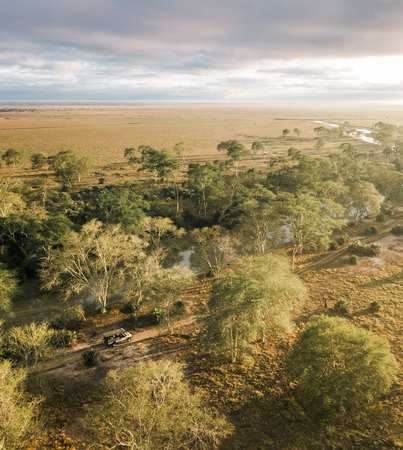
The journey begins in Gorongosa National Park, where seven nights across two distinct camps provide an unusually immersive experience of one of Africa’s most ambitious wildlife restoration projects. Muzimu introduces the park from the banks of the Mussicadzi River, while Chicari shifts the perspective to a seasonal waterhole where wildlife gathers and the changing landscape becomes part of daily life.
From Gorongosa, travel by light aircraft to the coast before continuing by helicopter to Benguerra Island. Here, five nights allow the rhythm to change completely. Days unfold between the Indian Ocean, the coral gardens of Two Mile Reef, and the island’s quiet beaches, with opportunities to explore the protected waters of the Bazaruto Archipelago.
Rather than treating the beach as a brief extension to a safari, this journey gives both landscapes time to reveal their character. Together, they tell a larger story of Mozambique, from the recovery of its inland wilderness to the protection of its extraordinary marine ecosystems.
Your Journey Supports
Gorongosa’s recovery is a long-term conservation undertaking involving wildlife protection, ecological research, habitat management, and work with communities around the park. Visiting supports a destination in which tourism is connected to that wider restoration effort.
The park’s pangolin rehabilitation program offers a window into the challenges of returning rescued wildlife to the wild. Any opportunity to visit or observe rehabilitation is determined by the conservation team and the welfare of the animals.
On Benguerra Island, responsible tourism and guided marine activities help sustain livelihoods connected to the Bazaruto Archipelago. Following local conservation guidance while exploring reefs and coastal waters is part of protecting this extraordinary environment.
Itinerary at a Glance
Where the Wild Returns
Johannesburg, South Africa
Arrive in Johannesburg, where you’ll be met and assisted through the airport before a short walk to your hotel. This overnight provides a comfortable pause before the journey continues into Mozambique.
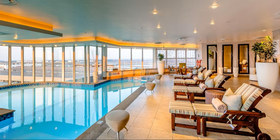
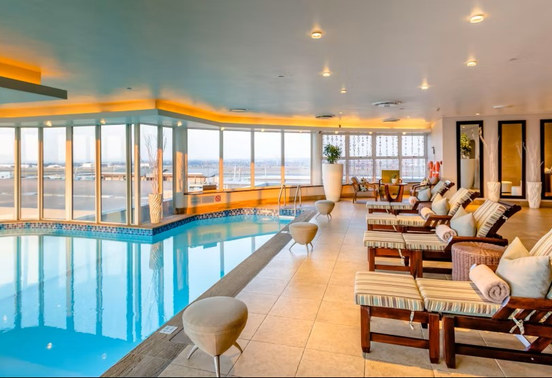
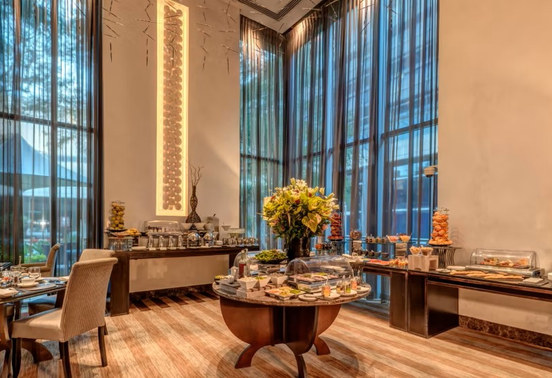
InterContinental Johannesburg O.R. Tambo Airport is conveniently located opposite the international terminal. Comfortable rooms, dining, and a spa make it a practical place to rest after a long-haul flight. Your stay includes breakfast.
 InterContinental Johannesburg O.R. Tambo Airport





Gorongosa National Park, Mozambique
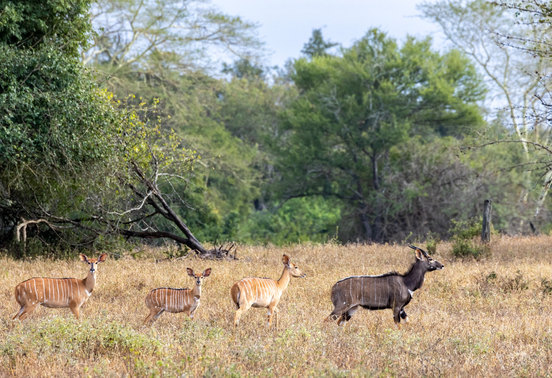
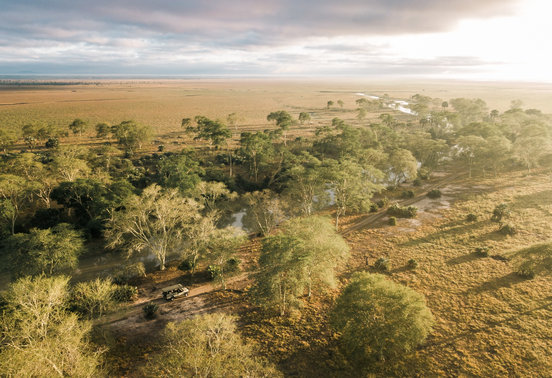
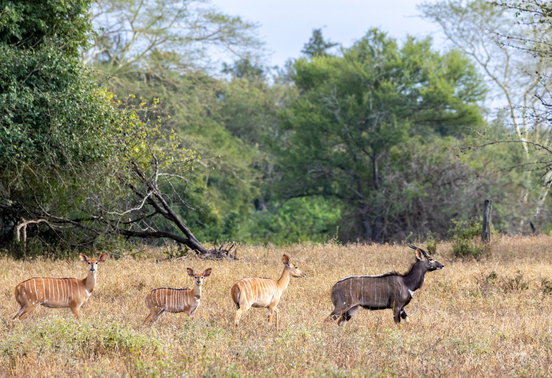
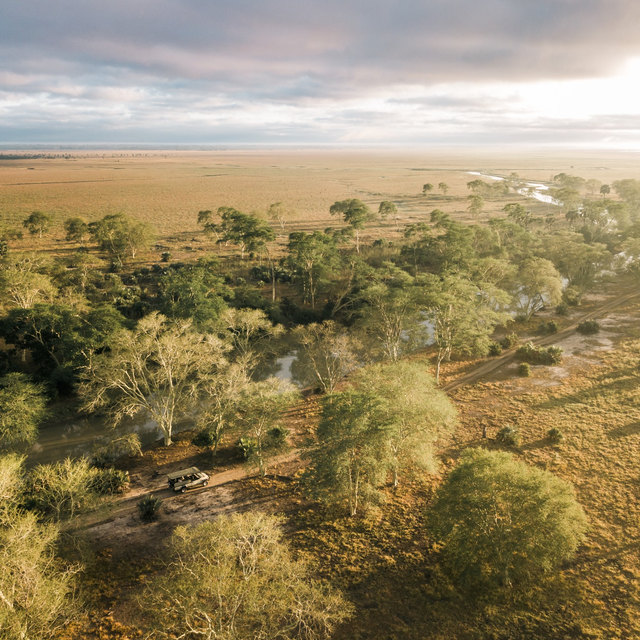
Fly from Johannesburg to Beira, then continue by light aircraft to Gorongosa’s Chitengo Airstrip. Here, the landscape opens into a remarkable mosaic of savanna, woodland, wetlands, and floodplain, with wildlife populations rebuilding after decades of loss.
Explore by guided game drive, watching for elephants, antelope, lions, and the park’s recovering wild dog population. Walking safaris and seasonal boating may provide different perspectives on the landscape when conditions and camp operations allow.
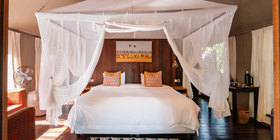
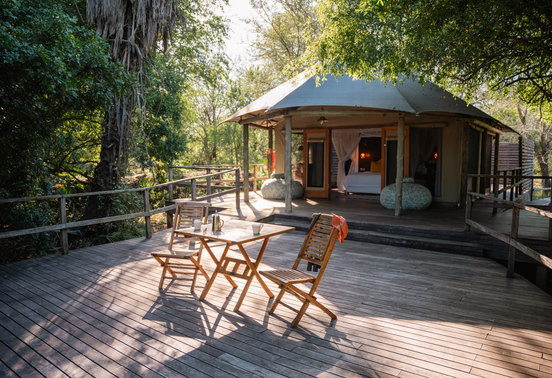
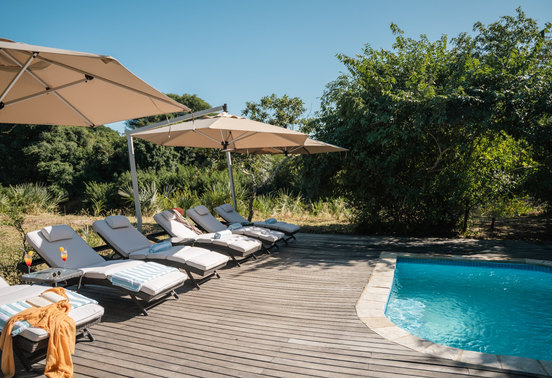
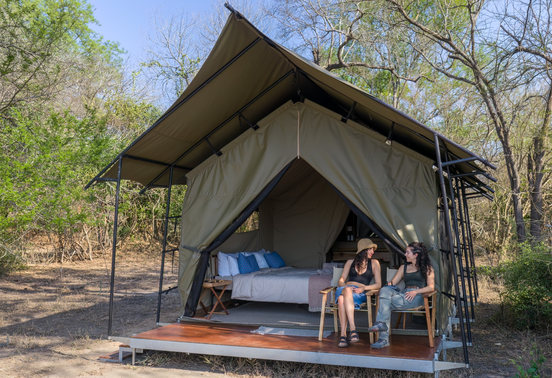
Set along the Mussicadzi River, Muzimu Lodge offers just six canvas tents with en-suite bathrooms and private decks. Its intimate scale and riverside setting make it an inviting introduction to the park and the conservation work shaping its future. Muzimu is fully inclusive, including scheduled safari activities.
Muzimu Lodge 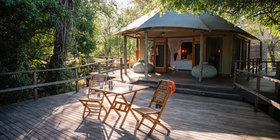
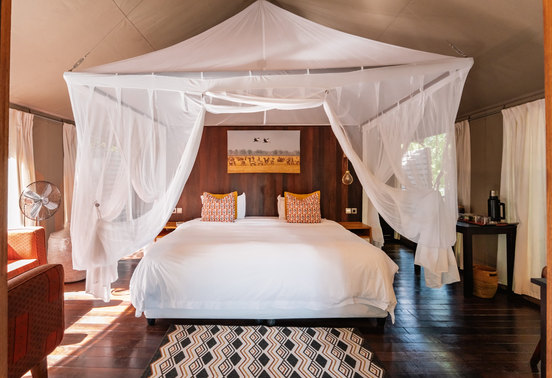
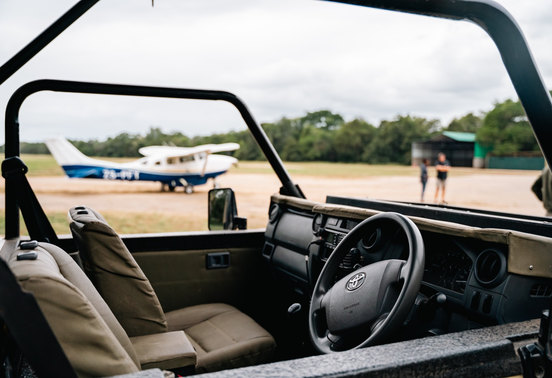
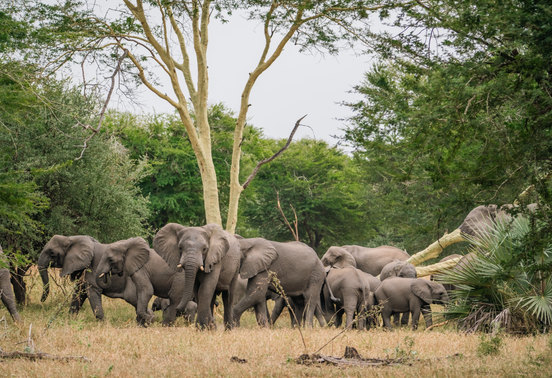
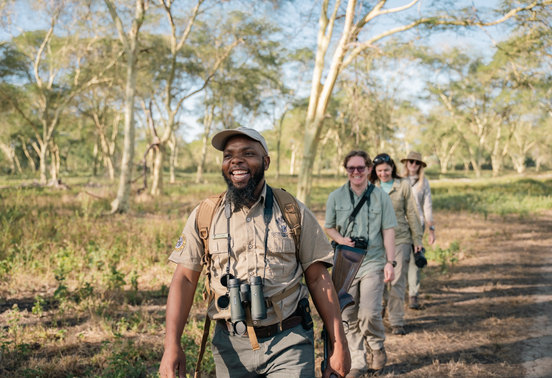
Gorongosa National Park, Mozambique
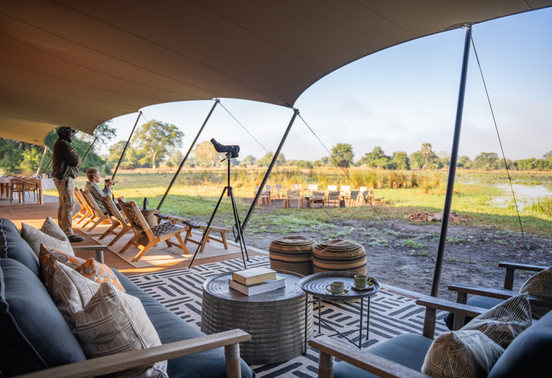
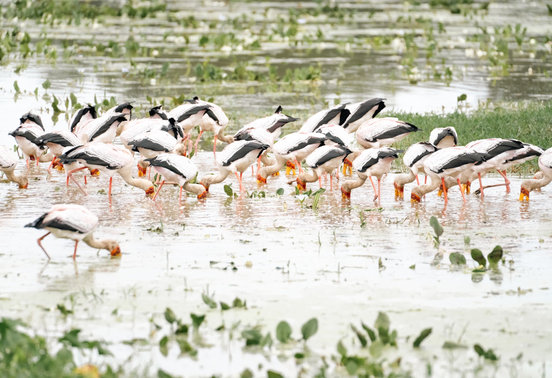
Continue within Gorongosa to Chicari Camp, where a natural seasonal waterhole brings wildlife activity into view from camp. The move is short, but the change in setting gives the safari a different rhythm.
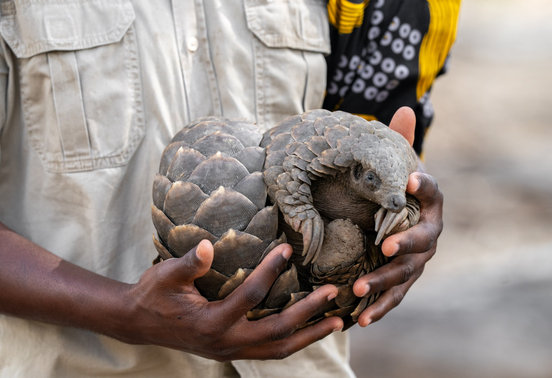
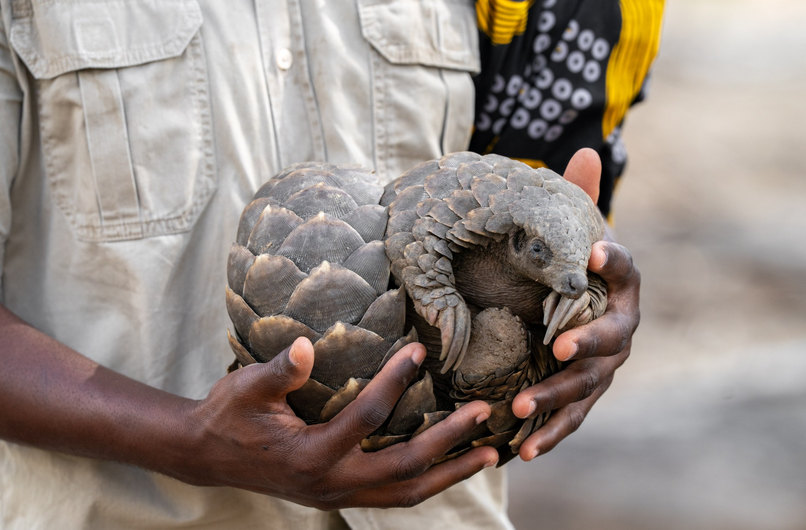
Spend four nights exploring on guided game drives, with walking safaris, birding, and seasonal boating when conditions allow. A potential visit to the Pangolin Rescue Centre offers insight into rehabilitation and rewilding, subject to the centre’s operations and animal welfare. Observation or contact with a rescued pangolin is never guaranteed.
Chicari Camp is an intimate, off-grid seasonal camp with ten canvas accommodations, including Safari Tents and Treehide Tents. Overlooking the pan, its shared lounge, dining area, and campfire keep the surrounding wilderness at the heart of the stay. Chicari is fully inclusive, including scheduled safari activities.
Chicari Camp 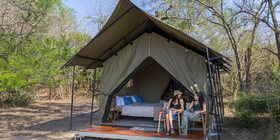


Benguerra Island, Mozambique
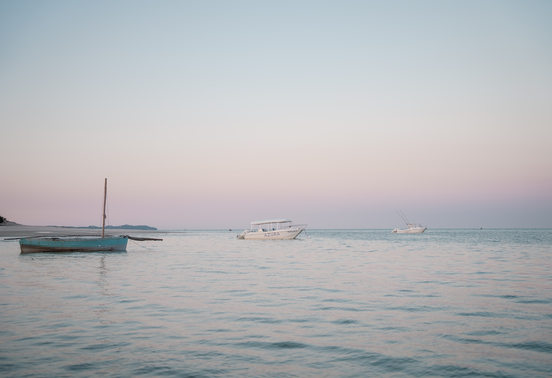
Leave Gorongosa by light aircraft for Vilankulo, then continue by helicopter across the turquoise waters of the Bazaruto Archipelago to Benguerra Island. After seven nights in the bush, the Indian Ocean brings an entirely different pace.
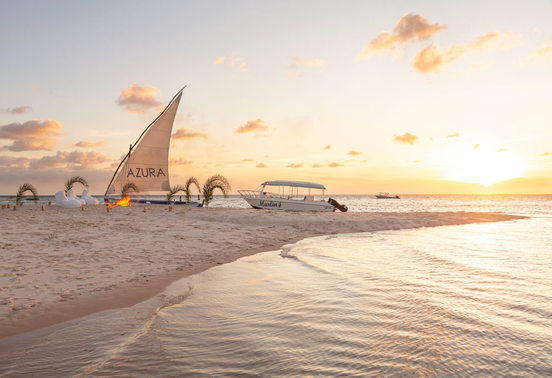
Spend your days exploring the island’s beaches and protected waters, or simply enjoying the space to unwind. A featured snorkeling excursion to Two Mile Reef introduces the archipelago’s coral gardens and marine life, subject to sea and weather conditions. Optional dhow cruises, island excursions, diving, fishing, and spa experiences can be arranged according to interest at additional cost.
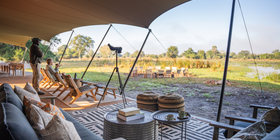
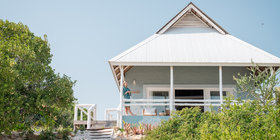
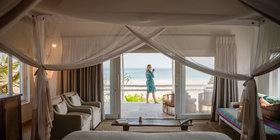
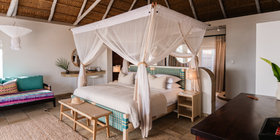
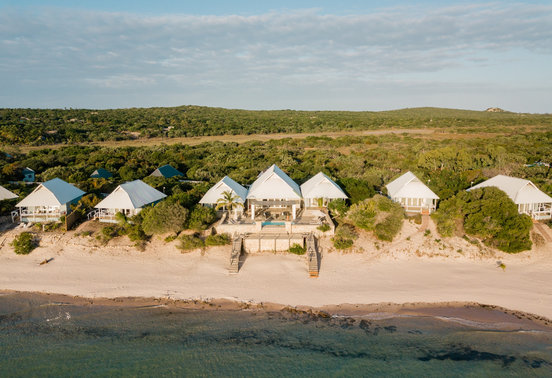
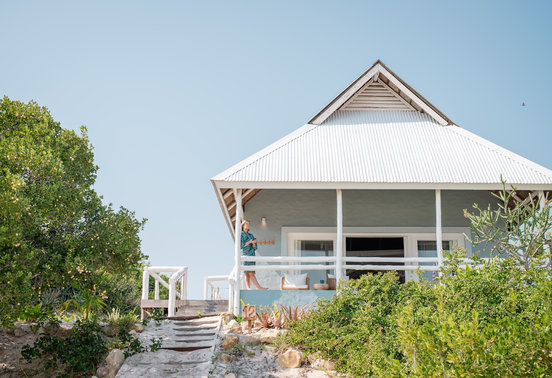
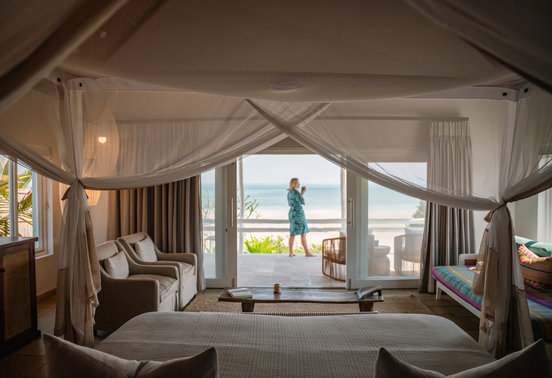
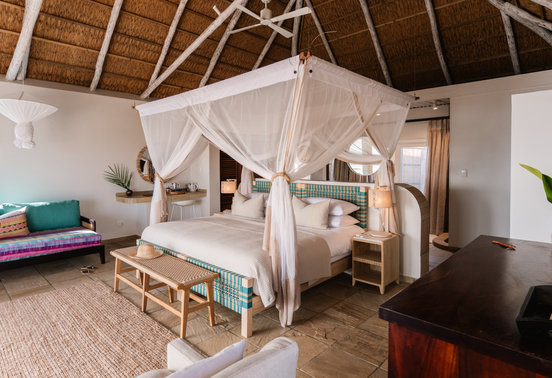
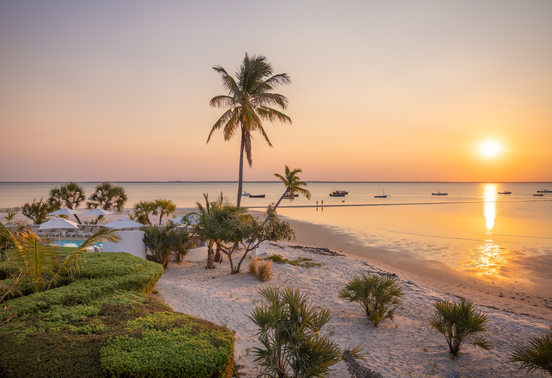
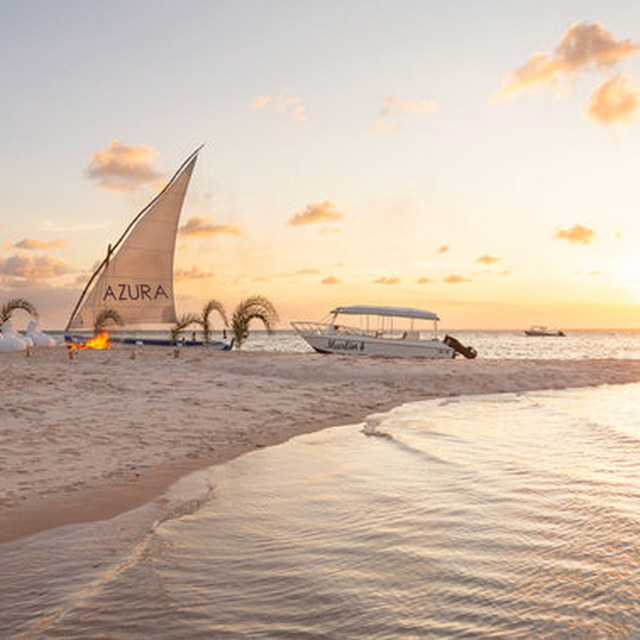
Azura Marlin Beach is a small beachfront retreat with ten villas, each designed to keep the ocean close. Private outdoor spaces, relaxed dining, and access to marine experiences make it a fitting conclusion to a journey that has crossed two of Mozambique’s most remarkable ecosystems. Your stay includes meals and beverages, excluding premium wines, spirits, and champagnes.
On Day 14, return by helicopter to Vilankulo for your regional flight to Johannesburg.
Azura Marlin Beach 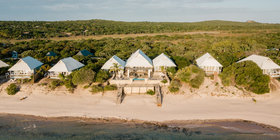
Where the Wild Returns
From Gorongosa’s recovering wilderness to the protected waters of the Bazaruto Archipelago, this suggested journey combines intimate safari camps, regional and light aircraft flights, and a five-night island stay. Bushtracks will tailor the arrangements to your dates and interests.
Included in your custom tour
- All scheduled regional, domestic, and light aircraft flights and helicopter transfers as indicated in the itinerary.
- Accommodations and meals as indicated in the itinerary.
- Safari activities and ground transfers as indicated in the itinerary, including the featured Two Mile Reef snorkeling excursion, subject to conditions.
- Park, conservancy, and applicable community fees.
- Medical evacuation insurance.
Price
Custom Dates From $17,193 – $18,611 per person, sharing
Where the Wild Returns
This 14-day safari has a moderate overall pace. After an overnight in Johannesburg, spend three nights at Muzimu Lodge, four at Chicari Camp, and five on Benguerra Island. Longer stays provide time to settle into each landscape rather than moving frequently.
Travel includes regional flights, light aircraft, and short helicopter transfers. Most wildlife viewing takes place by vehicle, while walking safaris, snorkeling, and other marine experiences can add activity according to interest and conditions.
Guests should be comfortable boarding small aircraft, entering and exiting safari vehicles, and walking on uneven terrain. Snorkeling requires confidence in the water. Guides and operators determine activity suitability based on conditions and safety.
May – October is generally the drier period in Gorongosa, with more reliable access to safari areas and good opportunities for wildlife viewing. Chicari is seasonal, so its operating dates must be confirmed.
November – April is generally warmer and wetter inland, which can affect roads and safari activities. Benguerra’s coastal conditions differ from those inland, with wind, tides, and sea state influencing marine excursions throughout the year.
Bushtracks will recommend dates that balance Gorongosa’s camp operations with the island experiences most important to you.
Is this safari suitable for first-time travelers to Africa?
Yes. Where the Wild Returns offers a distinctive introduction to Africa for travelers drawn to wildlife, conservation, and destinations beyond the traditional safari circuit. Seven nights in Gorongosa National Park provide an immersive safari experience, with guided wildlife viewing and opportunities to learn about one of Africa’s most remarkable conservation success stories. Five nights on Benguerra Island add a contrasting Indian Ocean experience, balancing exploration with relaxation. While less conventional than a classic Big Five safari, the journey is thoughtfully paced and equally rewarding for experienced Africa travelers seeking something different.
Is this safari appropriate for families or multigenerational travel?
Yes. Where the Wild Returns is an exceptional choice for families with children aged 12 and older, particularly those who share a passion for wildlife, conservation, and exploring beyond Africa’s traditional safari destinations. In Gorongosa, guided safaris bring the remarkable story of wildlife restoration to life, while seven nights across two intimate camps allow families to discover the wilderness together. On Benguerra Island, five nights of beaches, snorkeling, and Indian Ocean adventures offer something for every generation. With extended stays and opportunities to balance exploration with relaxation, the journey can be tailored to different interests and activity levels. Both Gorongosa camps welcome children aged 12 and older, with family accommodation arrangements available.
Why spend seven nights in Gorongosa?
Gorongosa is a place that rewards time and curiosity. Its landscapes range from open floodplains and grasslands to riverine forests and wetlands, each supporting a different abundance of wildlife. Spending three nights at Muzimu Lodge and four at Chicari Camp allows you to experience two distinct areas of the park, from the banks of the Mussicadzi River to a seasonal waterhole that draws wildlife close to camp. More importantly, seven nights provide the opportunity to look beyond individual sightings and discover the extraordinary story of a wilderness reclaiming its place among Africa’s great wildlife destinations.
What makes Gorongosa different from a traditional safari destination?
Few places in Africa tell a conservation story quite like Gorongosa. Once home to extraordinary concentrations of wildlife, the park suffered devastating losses during Mozambique’s civil war. Today, decades of dedicated restoration have helped bring elephants, lions, wild dogs, and other species back to its savannas, forests, and floodplains. Unlike more established safari destinations, Gorongosa offers the opportunity to witness an ecosystem in the midst of an extraordinary comeback. Every game drive reveals another chapter in that recovery, making the experience as meaningful as it is memorable.
Can we visit the Pangolin Rescue Centre?
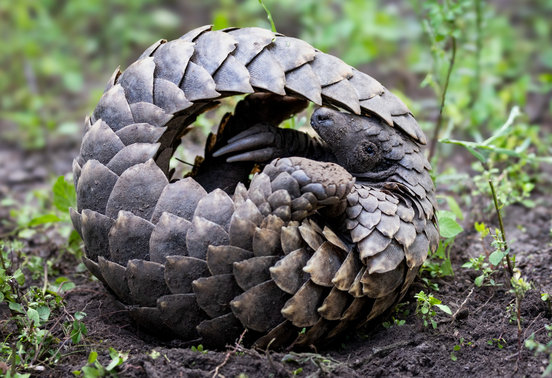
Gorongosa’s pangolin conservation efforts offer a fascinating glimpse into the work required to protect one of the world’s most trafficked mammals. Depending on the centre’s operations and conservation priorities, guests may have an opportunity to learn about the rescue, rehabilitation, and eventual release of these remarkable animals. Because the welfare of each pangolin comes first, visits and opportunities to observe rehabilitation cannot be guaranteed. For travelers interested in conservation, even an introduction to the program offers valuable insight into the dedication and expertise behind Gorongosa’s wildlife recovery.
What marine experiences are included on Benguerra Island?
Benguerra Island introduces an entirely different wilderness, one defined by turquoise waters, white-sand beaches, and the extraordinary marine biodiversity of the Bazaruto Archipelago. Your suggested journey includes a snorkeling excursion to Two Mile Reef, where vibrant coral gardens shelter tropical fish and other marine life. Beyond the reef, opportunities for traditional dhow sailing, scuba diving, fishing, and island exploration can be arranged according to your interests, with additional costs confirmed in advance. With five nights at Azura Marlin Beach, there is also ample time to enjoy the Indian Ocean at your own pace. All marine excursions are subject to suitable weather and sea conditions.
How do guests travel between destinations?
The journey between Gorongosa and Benguerra is an experience in itself. Travel by light aircraft from Gorongosa to Vilankulo, leaving behind the park’s vast inland landscapes as Mozambique’s Indian Ocean coastline comes into view. From Vilankulo, a short helicopter flight carries you across the turquoise waters of the Bazaruto Archipelago to Benguerra Island. This routing replaces a lengthy overland transfer with a remarkable aerial perspective on two very different sides of Mozambique. Bushtracks coordinates the flights and transfers as part of your personalized journey.
Is this an active safari?
Where the Wild Returns offers a comfortable balance of wildlife exploration, outdoor adventure, and relaxation. In Gorongosa, most wildlife viewing takes place on guided game drives, with opportunities for walking safaris and seasonal boating excursions when conditions allow. On Benguerra Island, snorkeling, swimming, and optional marine adventures provide a different kind of exploration, while five nights beside the Indian Ocean leave plenty of time to unwind. The overall activity level is moderate, and experiences can be tailored to suit your interests, comfort, and preferred pace.
Can this itinerary be customized?
Absolutely. Where the Wild Returns is a suggested journey designed to inspire your own exploration of Mozambique. Bushtracks can tailor the length of your safari, select accommodations that reflect your preferences, and incorporate experiences that bring you closer to the wildlife, landscapes, and conservation initiatives that interest you most. Whether you envision more time exploring Gorongosa, additional marine adventures in the Bazaruto Archipelago, or a different balance between wilderness and beach, our Journey Experts will design an itinerary around your interests, preferred travel dates, and pace.
A Wilderness Returning
Conservation in Practice
From Wilderness to Ocean
At the Heart of Gorongosa


A Wilderness Returning
Conservation in Practice
From Wilderness to Ocean
At the Heart of Gorongosa
Speak With a Journey Expert
Not sure where to begin?
Planning an African safari can feel overwhelming — especially for first-time travelers. Our team has spent decades exploring Africa’s most extraordinary wilderness regions, camps, and experiences. We are here to guide you through every step, helping you choose the destinations, seasons, activities, and style of safari that best fit your vision for the journey.
Kenya's Private Conservancies
Highlands to the Plains
Experience Kenya’s iconic wildlife regions on an immersive safari through Amboseli, Lewa Wildlife Conservancy, and the private conservancies of the Greater Mara. Discover exceptional wildlife viewing, Maasai culture, guided walking safaris, night drives, and intimate camps set far from the crowds.