



The Wild Heart of Kenya


The Wild Heart of Kenya
Kenya’s wildlife story is inseparable from the landscapes – and people – that protect it.
This 11-day journey moves through three remarkably different expressions of Kenya. Begin in Amboseli, where elephants move between open plains, wetlands, and acacia woodland beneath Mount Kilimanjaro. Continue north to Lewa Wildlife Conservancy, one of Africa’s pioneering rhino conservation landscapes and an important refuge for endangered Grevy’s zebras. Finish in the Greater Mara at Naboisho Conservancy, where a community-led conservation model protects critical wildlife habitat alongside neighboring Maasai lands.
Three nights in each wilderness region allow time to understand not only what lives here, but how each landscape works – and the different approaches helping keep it wild.
Why We Love This Safari
- Experience three distinctly different Kenyan ecosystems without rushing through them.
- Watch Amboseli’s elephants against one of Africa’s most recognizable landscapes, with Mount Kilimanjaro rising beyond the plains.
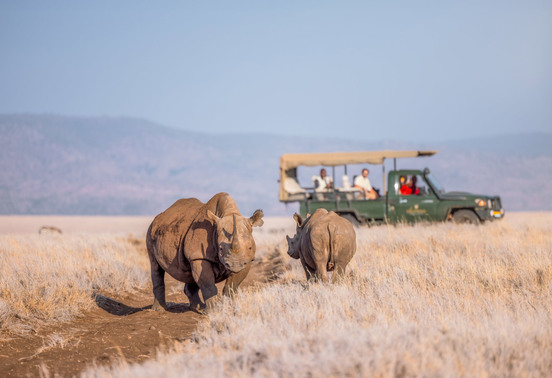
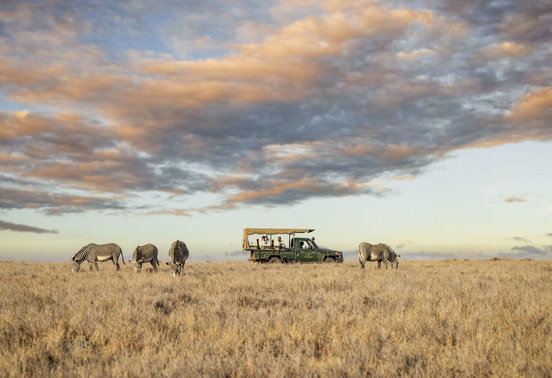
- Spend three nights inside Lewa Wildlife Conservancy, a pioneering conservation landscape protecting significant populations of endangered rhinos and Grevy’s zebras.
- See how Lewa has built conservation around more than wildlife protection, investing in education, healthcare, water access, livelihoods, and neighboring communities.
- Finish in the private Naboisho Conservancy within the Greater Mara ecosystem, with three nights to explore its open grasslands and predator-rich wildlife habitat.
- Go beyond daytime game drives with walking safaris, night drives, bush breakfasts, sundowners, and other experiences made possible by private conservation areas.
- Encounter species that make northern Kenya particularly distinctive, including Grevy’s zebras and reticulated giraffes alongside rhinos, elephants, lions, cheetahs, and other plains wildlife.
Best Time To Travel: June – October & January – March
Kenya offers rewarding wildlife viewing throughout much of the year, but June through October and January through March provide particularly strong conditions for this journey. The dry season from June through October brings excellent wildlife viewing across Amboseli, Lewa, and the Greater Mara, while January through March offers warmer weather, green landscapes, abundant wildlife, and often fewer travelers.
Wildlife patterns and rainfall vary from year to year, so Bushtracks will tailor the timing around the experiences most important to you.
Safari+
Private conservancies allow safari to extend well beyond traditional daytime game drives, and this itinerary offers an unusually broad range of ways to experience Kenya.
Beyond the Game Vehicle
Some of the most memorable moments on safari happen when you leave the vehicle behind. These experiences reveal Africa from entirely different perspectives – on foot, from the water, in the air, and alongside the conservationists working to protect its wildlife.
- On Foot
- Guided walking safaris at Elerai
- Guided walking safaris at Lewa
- Guided bush walks in Naboisho*
- After Dark
- Night drive in the Elerai conservation area
- Night game drive at Lewa
- Night drive in Naboisho Conservancy
- From a Different Perspective
- Horseback riding at Lewa*
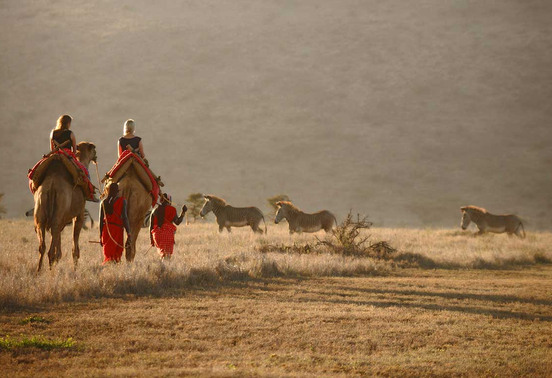
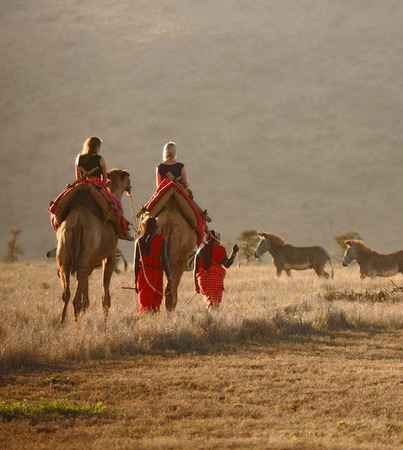
- Camel riding at Lewa*
- Hot-air balloon safari over the Greater Mara*
- Scenic helicopter flights*
- Culture & Conservation
- Maasai cultural visit near Amboseli*
- Il’Ngwesi cultural experience from Lewa*
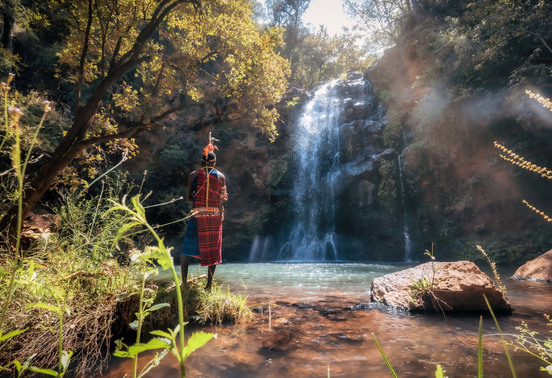
- Ngare Ndare Forest excursion from Lewa*
- Maasai cultural experience in the Greater Mara*
- In the Bush
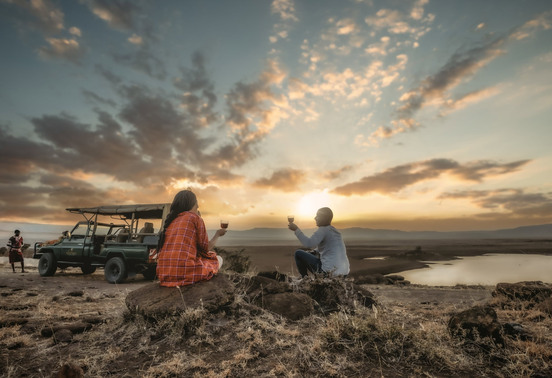
- Bush sundowners
- Bush picnics at Lewa
- Bush breakfast in Naboisho
*Available at additional cost.
Highlights
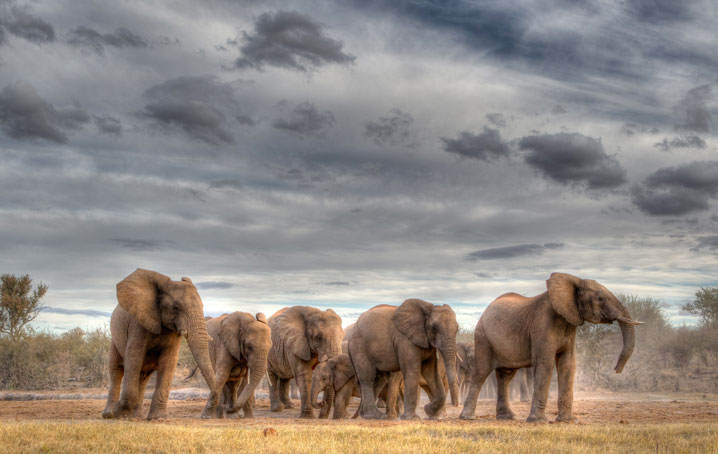
- Watch large elephant herds move through Amboseli’s plains and wetlands beneath Mount Kilimanjaro.
- Explore the private conservation area surrounding Elerai on foot and after dark, complementing daytime wildlife viewing inside Amboseli National Park.
- Fly north to Lewa Wildlife Conservancy, one of Kenya’s most important landscapes for rhino conservation and endangered Grevy’s zebras.
- Search for black and white rhinos, Grevy’s zebras, elephants, lions, cheetahs, giraffes, buffalos, and other wildlife across Lewa’s protected wilderness.
- Explore Lewa by day and night, on foot and by vehicle, with off-road game viewing providing additional flexibility.
- Experience the Mara ecosystem away from the main reserve, with daytime game drives, a night drive, sundowners, and a bush breakfast included in your stay.
- Spend three nights in each wilderness region, giving the journey a measured rhythm despite the extraordinary variety of landscapes and wildlife.
Who This Journey Is For
This safari is ideal for travelers who:
- Want to experience Kenya beyond a single stay in the Masai Mara.
- Are especially interested in elephants, rhinos, predators, and rare northern Kenyan species.
- Want conservation to be an important part of the journey without making this a specialist conservation expedition.
- Prefer private conservancies and smaller camps where possible.
- Enjoy active, varied safari experiences beyond the game vehicle.
- Want enough time in each destination to settle into the landscape rather than moving camps every night or two.
- Are interested in understanding how tourism, conservation, and local communities intersect in modern Kenya.
Why This Journey Works
The landscapes and wildlife change dramatically across this journey, but a common thread connects all three regions: each shows a different approach to protecting wildlife, preserving habitat, and ensuring local communities share in the benefits of conservation and tourism.
Amboseli introduces one of Kenya’s defining wildlife landscapes, where elephants move across an ecosystem shaped by wetlands, open plains, and the presence of Mt. Kilimanjaro.
Lewa shifts the focus north. Here, rhino and Grevy’s zebra conservation sit at the center of a much broader model connecting habitat protection with neighboring communities. Lewa has become influential far beyond its own boundaries, sharing conservation expertise and investing in education, healthcare, water, enterprise, and livelihoods.
Naboisho brings the journey into the Greater Mara ecosystem, but outside the main national reserve. Staying within a community-led conservancy creates a different style of safari while directly linking tourism revenue to wildlife habitat and Maasai landowners.
Three nights in each region means the itinerary never feels like a checklist. Instead, it becomes a journey through three different answers to the same question: what does it take to keep Kenya wild?
Your Journey Supports
Travel through Kenya’s conservancies directly supports landscapes where tourism revenue helps make wildlife conservation economically viable alongside local communities.
At Lewa, conservation extends well beyond anti-poaching and wildlife management. Tourism contributes to wildlife protection as well as education, healthcare, water access, livelihoods, and community programs in the surrounding region.
At Naboisho, more than 700 Maasai landowners retain ownership of their land while leasing it into a shared conservation framework. Tourism helps fund those leases, employment, community programs, and the protection of approximately 60,000 acres within the Greater Mara ecosystem.
Your stay at Elerai also supports a private conservation area and community initiatives near Amboseli, extending the conservation thread across all three safari regions.
Itinerary at a Glance
The Wild Heart of Kenya
Nairobi, Kenya
Arrive in Nairobi, where you’ll be met after immigration and customs and transferred privately to your hotel for the evening. This first night provides time to recover from your international journey before flying into the bush the following morning.
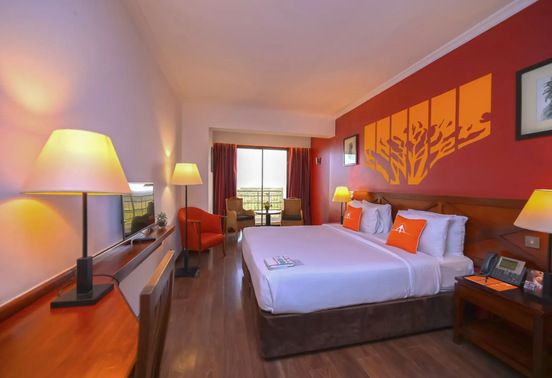
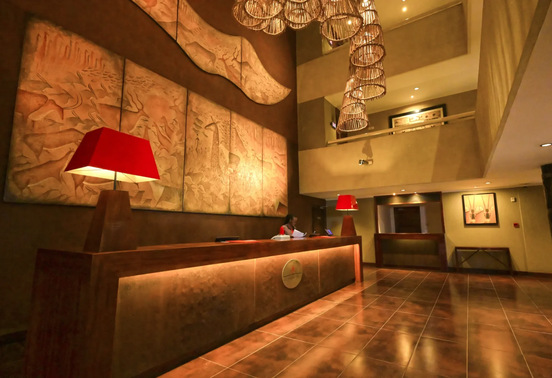
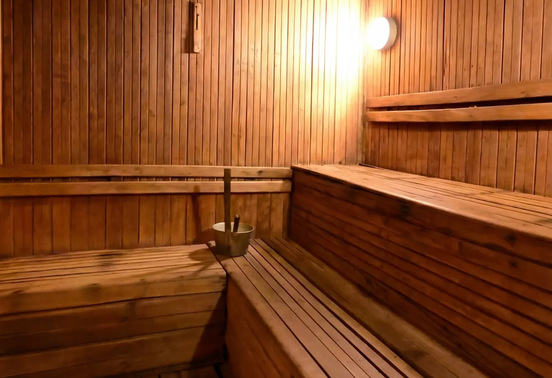
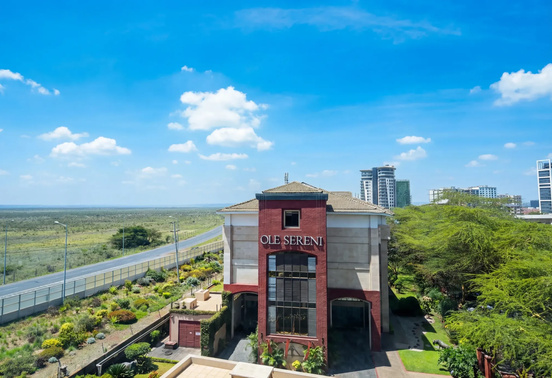
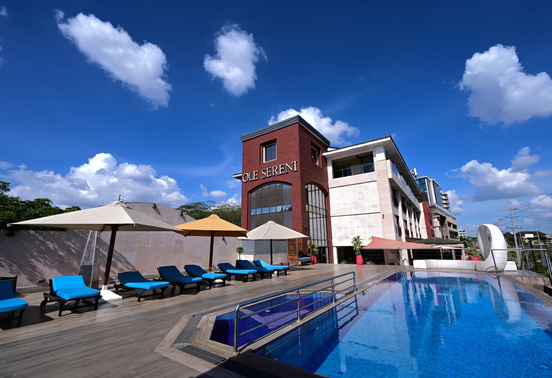
Set beside Nairobi National Park, Ole Sereni offers an unusual transition between city and safari, with views toward protected parkland despite its convenient location within the capital. Modern rooms, restaurants, a swimming pool, spa, and fitness facilities make it a comfortable place to reset before the journey begins, with breakfast included.
 Ole Sereni

Amboseli, Kenya
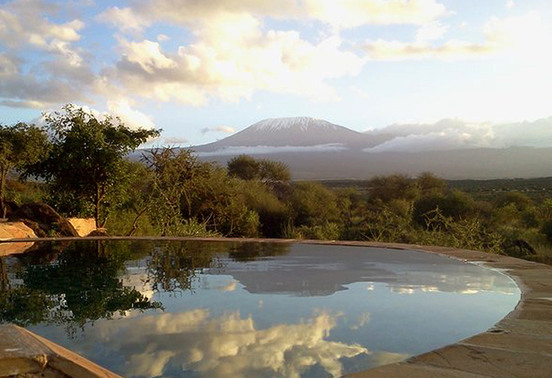
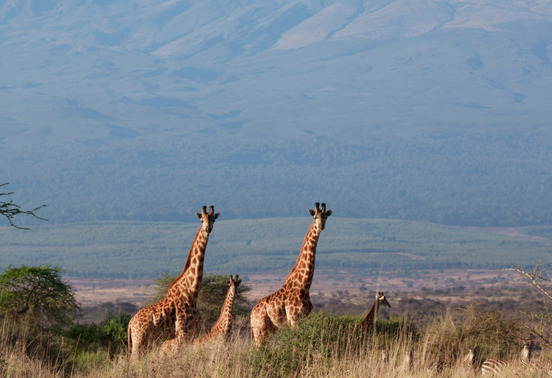
Fly by light aircraft from Nairobi’s Wilson Airport to Amboseli, where open plains, acacia woodland, seasonal lakebeds, and permanent wetlands spread beneath the immense profile of Mount Kilimanjaro.
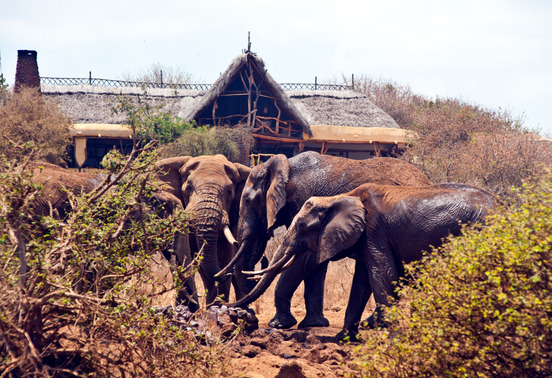
Amboseli is especially celebrated for elephants. Spend your days exploring the national park, watching family groups move between feeding grounds and wetlands, while lion, cheetah, giraffe, buffalo, zebra, antelope, and abundant birdlife add to the wildlife story.
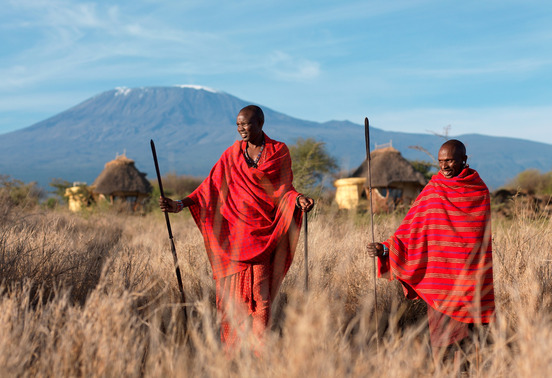
Your location outside the national park expands what is possible. In the private conservation area surrounding Elerai, explore on foot with a guide, stay out after sunset on a night drive, and stop for sundowners as evening settles over the landscape. A Maasai cultural visit can also be arranged, with the village fee paid directly.
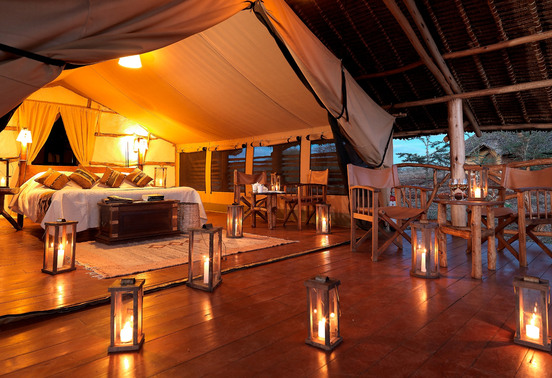
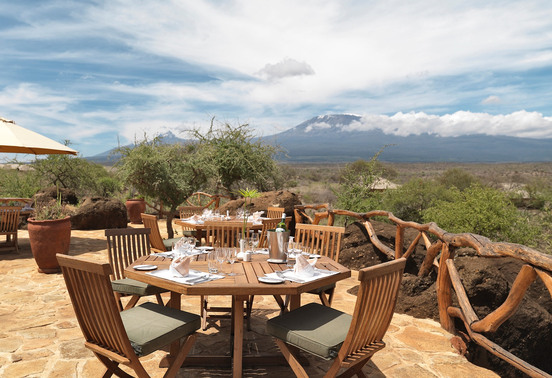
Elerai Camp occupies a 5,000-acre private conservation area southeast of Amboseli, with an unusual position between two defining views: across the plains toward the national park and upward to Mount Kilimanjaro. Deluxe tents and cottage rooms open to private verandas, while the camp’s waterhole can bring elephants, giraffes, zebras, and other wildlife into view without leaving camp. Its private setting is the real distinction, allowing walking safaris, night drives, and bush sundowners to complement days spent exploring Amboseli National Park. Your stay includes all meals and scheduled safari activities.
Elerai Camp 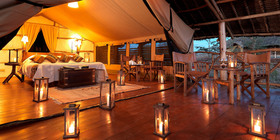
Lewa Wildlife Conservancy, Kenya
Fly north via Nairobi to Lewa, where Mount Kenya rises to the south and the landscape begins its transition toward Kenya’s drier northern country.
Lewa is much more than another wildlife stop. Rhino conservation was central to its creation, and today the wider Lewa-Borana landscape protects one of Kenya’s most important rhino populations. Lewa is also a stronghold for endangered Grevy’s zebras, alongside elephants, lions, cheetahs, giraffes, buffalos, hyenas, and occasionally African wild dogs.
Over three days, explore by vehicle and on foot. Off-road game viewing provides flexibility when sightings draw you away from established tracks, while night drives reveal a side of the conservancy that disappears after sunset in many national parks. Bush picnics and sundowners extend time in the landscape rather than requiring every meal to happen back at camp.
Optional experiences can take the journey farther: horseback or camel rides offer another way through the landscape, while excursions to Ngare Ndare Forest or Il’Ngwesi introduce different ecosystems and community perspectives.
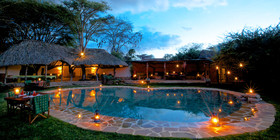
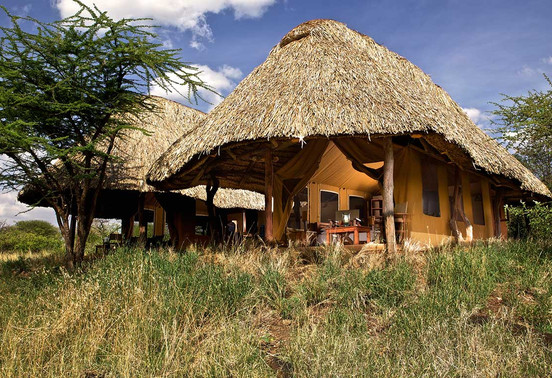
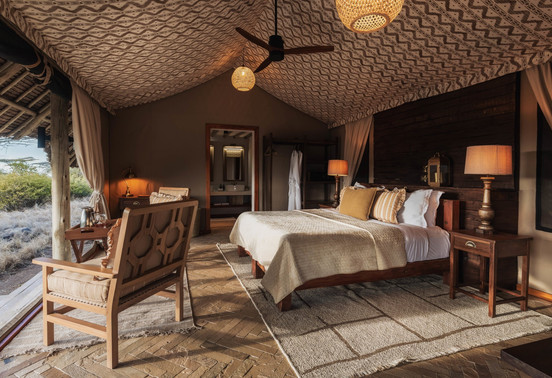
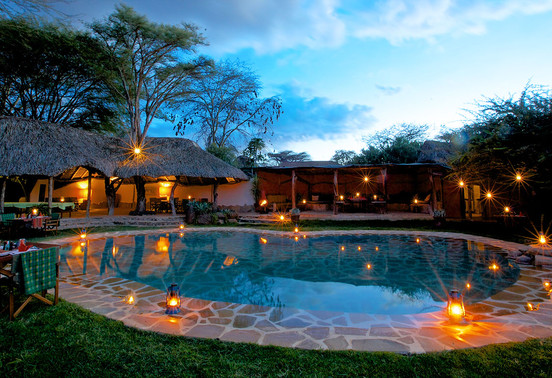
Elewana Lewa Safari Camp sits within the 62,000-acre, UNESCO-listed Lewa Wildlife Conservancy, with views toward Mount Kenya and Kenya’s northern frontier. Eleven thatched safari tents open onto private verandas, while gardens, a swimming pool, and welcoming communal spaces create an easy place to settle between activities. The camp’s greatest asset, however, is access: its guides are based within Lewa, many come from neighboring communities, and their long familiarity with the conservancy extends to individual rhino, cheetah, and lion families. Staying here places guests inside one of Kenya’s defining conservation landscapes rather than simply alongside it. Includes all meals and scheduled safari activities.
Elewana Lewa Safari Camp 
Naboisho Conservancy, Greater Mara, Kenya
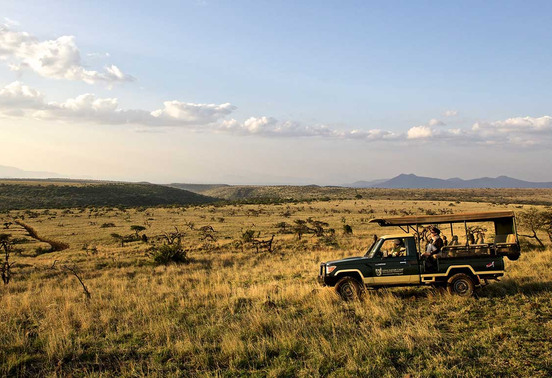
Fly from Lewa into the Greater Mara, where rolling grasslands, scattered acacias, and river systems support one of Africa’s richest concentrations of wildlife.
Your destination is not the main Masai Mara National Reserve, but the 60,000-acre Naboisho Conservancy within the wider ecosystem. More than 700 Maasai landowners participate in a community-led conservation model in which land remains locally owned while being leased into a shared framework for wildlife protection, managed grazing, and low-impact tourism.
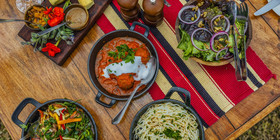
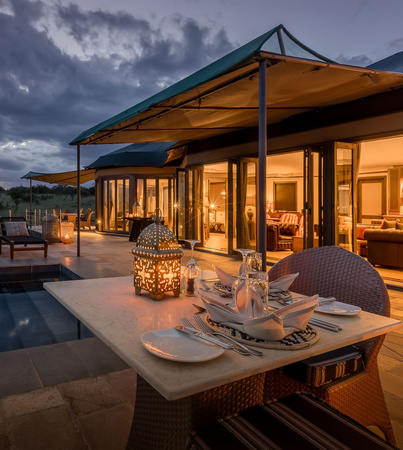
That model also shapes the safari experience. Naboisho deliberately limits tourism density, creating more space for wildlife and a quieter way to explore the Mara. Spend your days searching for lion, cheetah, elephant, giraffe, plains game, and other resident wildlife, then remain out after sunset for a night drive, an experience unavailable in many national parks and reserves.
Over three nights, explore Naboisho on shared game drives, stop for sundowners in the bush, and enjoy a bush breakfast when conditions allow. Optional walking safaris, a Maasai cultural visit, a hot-air balloon safari, or an excursion into the Masai Mara National Reserve can also be arranged.
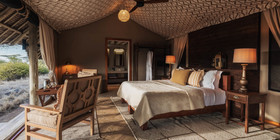
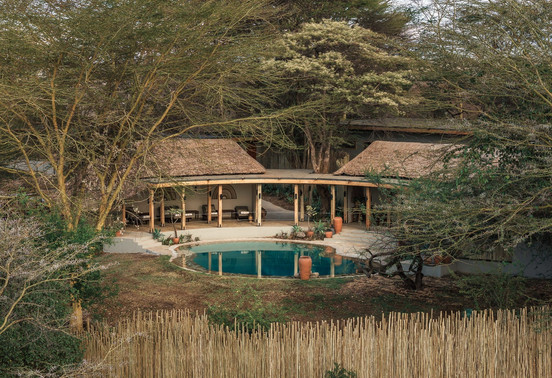
Ol Seki Hemingways Mara occupies an elevated position among Cordia and acacia trees, with panoramic views across the Naboisho landscape. Spacious en-suite safari tents place the conservancy immediately outside your veranda, while the main infinity pool overlooks the plains. Its intimate scale and position inside Naboisho are central to the experience: this is a camp embedded within a community-led conservation landscape, where low-impact tourism is part of the mechanism keeping the surrounding habitat intact.
On Day 11, fly by light aircraft to Nairobi’s Wilson Airport, followed by a private transfer to Jomo Kenyatta International Airport for your onward journey. Includes all meals and schedued safari activities.
Ol Seki Hemingways Mara The Wild Heart of Kenya
From Amboseli’s elephant country to the rhino stronghold of Lewa and a private conservancy in the Greater Mara, the logistics of this journey are carefully coordinated across Kenya. Scheduled light aircraft flights, transfers, accommodations, meals, safari activities, and conservation fees are arranged in advance, allowing you to experience three very different wildlife regions without sacrificing time to lengthy overland journeys.
Included in your custom tour
- All scheduled domestic and light aircraft flights as indicated in the itinerary.
- Accommodations and board basis as indicated at each property in the itinerary.
- Safari activities and ground transfers as indicated in the itinerary.
- Park, conservancy, and applicable conservation fees.
- Basic medical evacuation insurance.
Price
Custom Dates From $12,616 – $16,790 per person
Pricing varies by season and will be confirmed for your specific dates.
The Wild Heart of Kenya
This safari offers substantial variety without an especially demanding pace. After the first night in Nairobi, three-night stays in Amboseli, Lewa, and Naboisho provide time to settle into each region rather than moving frequently between camps.
Travel between safari areas is primarily by scheduled light aircraft. Wildlife viewing takes place largely by safari vehicle, but guided walking safaris, night drives, horseback and camel riding, and other Safari+ experiences create opportunities for more active exploration.
Guests should be comfortable boarding small aircraft, walking on uneven natural terrain, and spending several hours outdoors during wildlife-viewing activities. Many optional experiences can be adapted around individual interests and activity levels.
Kenya is a year-round safari destination, although rainfall, wildlife distribution, temperatures, and visitor numbers change considerably through the seasons.
June – October is the long dry season and one of the most popular periods to travel. Days are generally dry, vegetation becomes thinner, and wildlife increasingly concentrates around permanent water. Mornings can be cool at higher elevations such as Lewa.
November – December typically brings the shorter rains. Landscapes turn green, birdlife is excellent, and wildlife remains abundant, although rain can affect road and trail conditions.
January – March is generally warmer and drier, with green landscapes remaining after the short rains. Wildlife viewing can be excellent across all three regions, often with fewer travelers than during the busiest months.
April – May brings the long rains. Landscapes are at their greenest and birdlife can be exceptional, but heavier rainfall may affect roads, walking activities, and other Safari+ experiences. Some properties and activities may also operate differently during this period.
Because this itinerary combines Amboseli, Lewa, and the Greater Mara, Bushtracks will recommend timing based on the wildlife, activities, and style of safari most important to you.
Is this safari suitable for first-time travelers to Kenya?
Yes. It provides an unusually broad introduction to Kenya without trying to cover too much ground. Amboseli, Lewa, and the Greater Mara offer very different landscapes, wildlife specialties, and styles of safari, while three-night stays in each wilderness region keep the journey well-paced.
What makes Lewa Wildlife Conservancy special?
Lewa is one of Kenya’s most important conservation landscapes and a stronghold for rhino and endangered Grevy’s zebra. Its location in northern Kenya also introduces a different landscape and wildlife community, while opportunities for walking, night drives, and off-road wildlife viewing create a different style of safari. Beyond wildlife protection, Lewa’s conservation model extends to education, healthcare, water access, livelihoods, and community programs in the surrounding region.
What makes the conservancies different from national parks and reserves?
Private and community conservancies generally operate under different rules from national parks and reserves, allowing activities such as guided walking safaris, night drives, and in some locations, off-road game viewing. They can also limit tourism density and create direct financial relationships between tourism, land conservation, and local communities.
What wildlife can I expect to see?
This journey is designed around some of Kenya’s most rewarding wildlife regions. Amboseli is particularly known for elephants; Lewa offers strong opportunities to see black and white rhinos and endangered Grevy’s zebras; and the Greater Mara is renowned for lions, cheetahs, elephants, giraffes, zebras and other plains game. Across the journey, guests may also encounter buffalos, hyenas, numerous antelope species, and abundant birdlife.
How does my safari support conservation?
Conservancy and conservation fees are incorporated into the journey, helping protect wildlife habitat and support the landscapes visited. At Lewa, tourism contributes to wildlife protection as well as education, healthcare, water access, livelihoods, and community programs. At Naboisho, tourism helps fund a community-led model through which Maasai landowners receive lease income while approximately 60,000 acres remain part of the Greater Mara conservation landscape.
Which Safari+ experiences are included?
Included experiences vary by camp. Elerai includes guided walks and a shared night drive; Lewa includes guided walks, day and night game drives, off-road game viewing, bush picnics, and sundowners; and Ol Seki includes a shared night drive, sundowners, and one shared bush breakfast per stay, weather permitting. Additional experiences can be arranged according to interests and availability.
Can this itinerary be customized?
Absolutely. This itinerary is designed as inspiration rather than a fixed departure. Bushtracks can adjust camps, number of nights, activities, travel dates, and the balance between wildlife, conservation, culture, and active experiences around your interests and preferred pace.
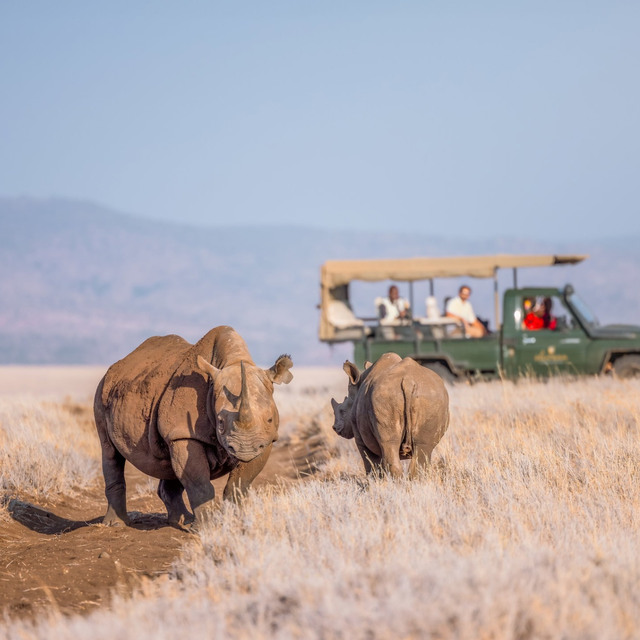
Where Giants Still Roam
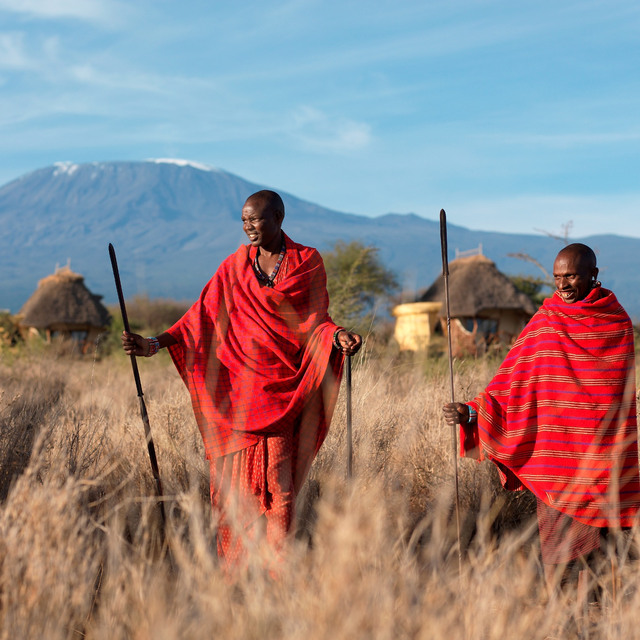
A Conservation Story Still Being Written
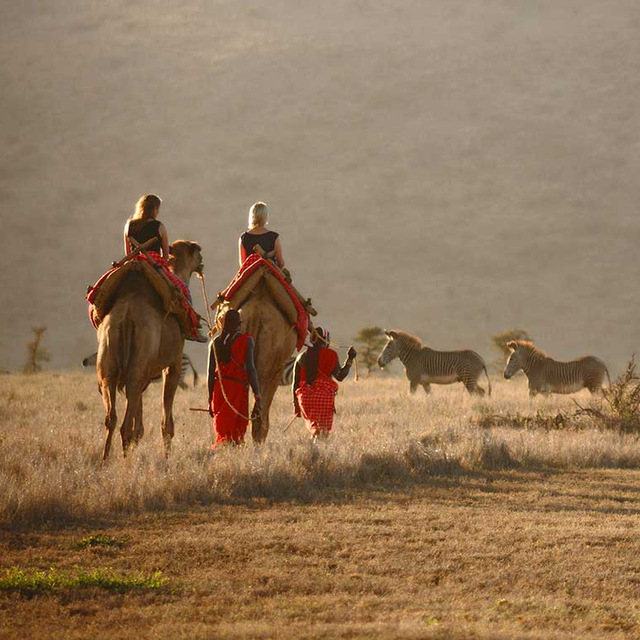
Safari Beyond the Vehicle
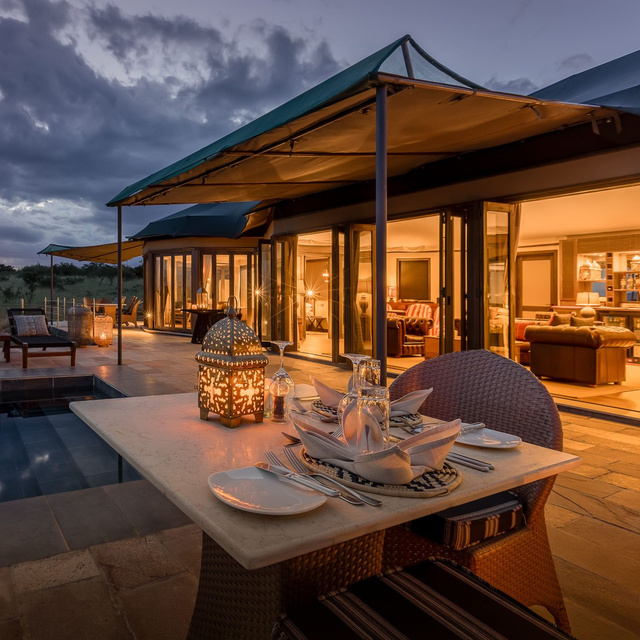
The Mara After Dark
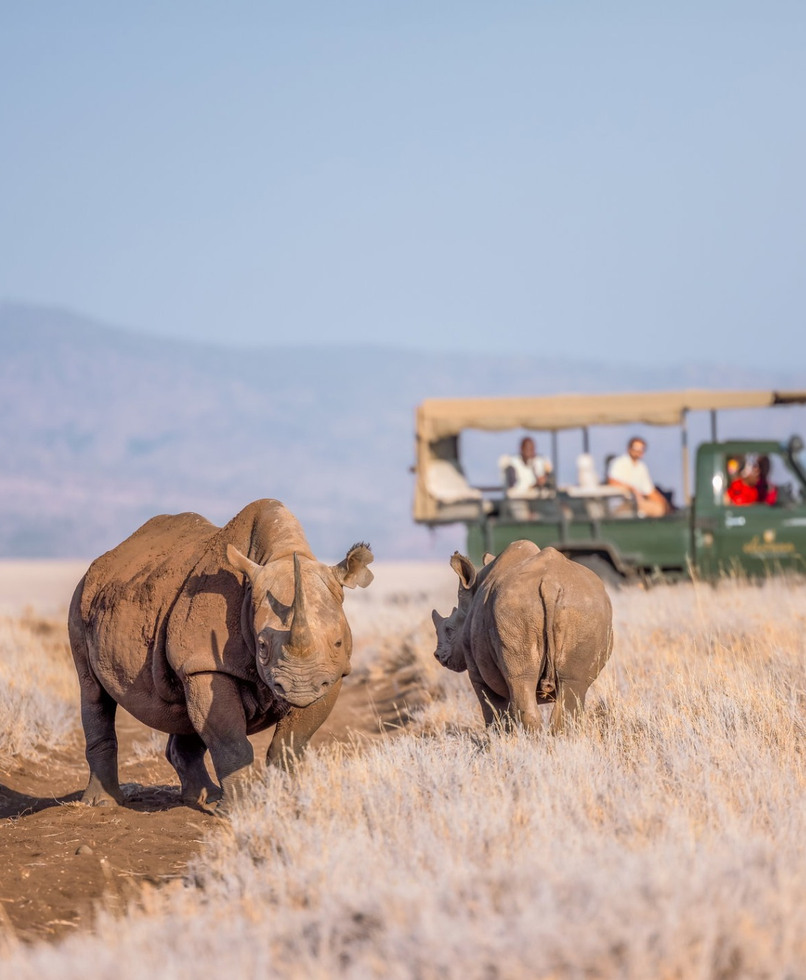

Where Giants Still Roam
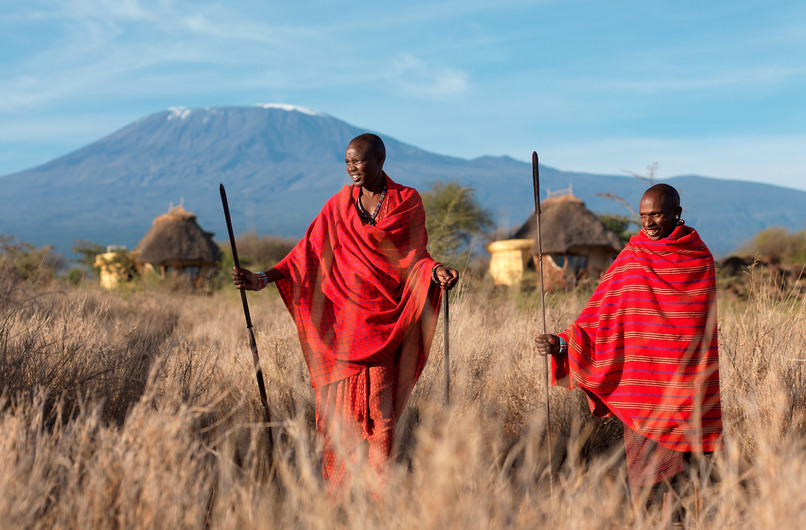
A Conservation Story Still Being Written
Safari Beyond the Vehicle
The Mara After Dark
Speak With a Journey Expert
Not sure where to begin?
Planning an African safari can feel overwhelming — especially for first-time travelers. Our team has spent decades exploring Africa’s most extraordinary wilderness regions, camps, and experiences. We are here to guide you through every step, helping you choose the destinations, seasons, activities, and style of safari that best fit your vision for the journey.
Kenya's Private Conservancies
Highlands to the Plains
Experience Kenya’s iconic wildlife regions on an immersive safari through Amboseli, Lewa Wildlife Conservancy, and the private conservancies of the Greater Mara. Discover exceptional wildlife viewing, Maasai culture, guided walking safaris, night drives, and intimate camps set far from the crowds.