

Hands-On South Africa: Why This Conservation Safari Matters Now
Travel has the power to transform landscapes — for better or for worse. In South Africa, where wildlife and communities live side by side, the stakes of tourism are especially high. For Bushtracks, that reality underscores a core belief: travel should strengthen the places it touches. Hands-On South Africa was designed with that principle in mind, offering travelers a chance to witness — and take part in — the urgent work of conservation as it unfolds.
It was this conviction that inspired Daniela Powers, Bushtracks’ Director of Group Expeditions, to design Hands-On South Africa. She wanted travelers to see beyond game drives and wildlife sightings, to step inside the work that makes those sightings possible at all. Her approach was deliberate: each reserve chosen for the journey reveals a different face of conservation, from vigilance to recovery to restoration.
Timbavati, on the edge of the Greater Kruger, was her first choice. Here, the reality of poaching is impossible to ignore, and the response is equally direct. Rangers conduct helicopter patrols to spot snares and illegal activity; partnerships with the Endangered Wildlife Trust bring expertise to the rehabilitation of birds of prey; and the Graeme Naylor Museum quietly builds awareness of species whose survival hangs in the balance, including Timbavati’s legendary white lions. For Daniela, this reserve embodies the frontline: conservation as a constant act of vigilance.
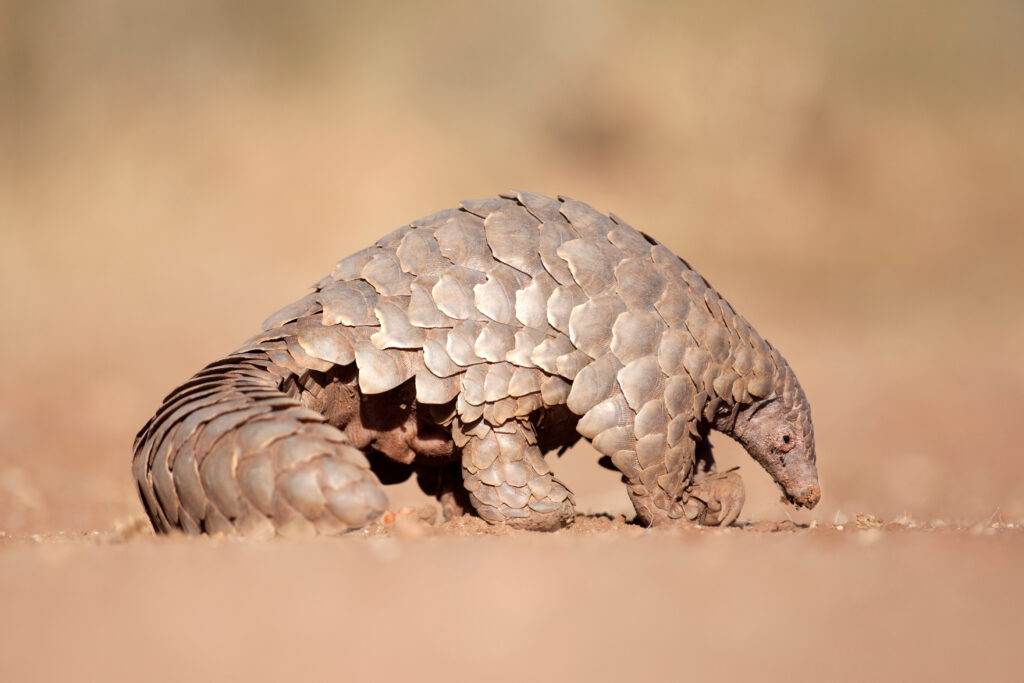
If Timbavati is about holding the line, Phinda is about proving what can be regained. In KwaZulu-Natal, Phinda’s landscapes are a mosaic of habitats that have become a laboratory for species recovery. Cheetahs have been reintroduced to areas where they had disappeared. Pangolins, rescued from trafficking, are slowly released back into the wild. Black rhinos, once on the brink, now find secure refuge here. Guests see the work of the anti-poaching canine unit, but they also learn how Phinda has tied its success to local Zulu communities, creating jobs, supporting schools, and expanding access to healthcare. “Conservation has to benefit both wildlife and people,” Daniela explains. “Phinda shows how that balance is possible.”
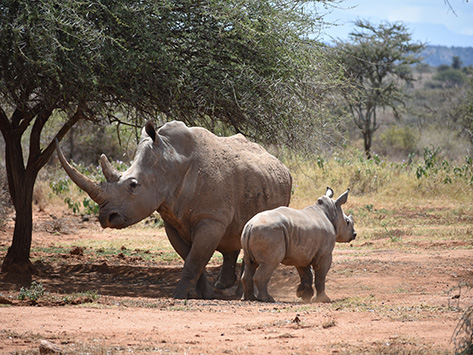
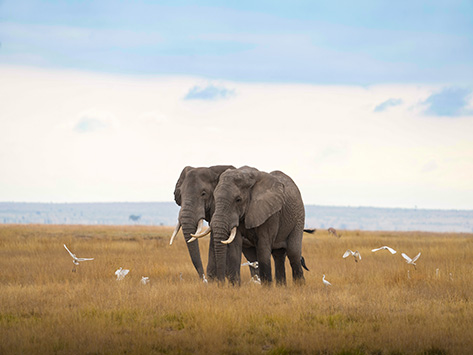
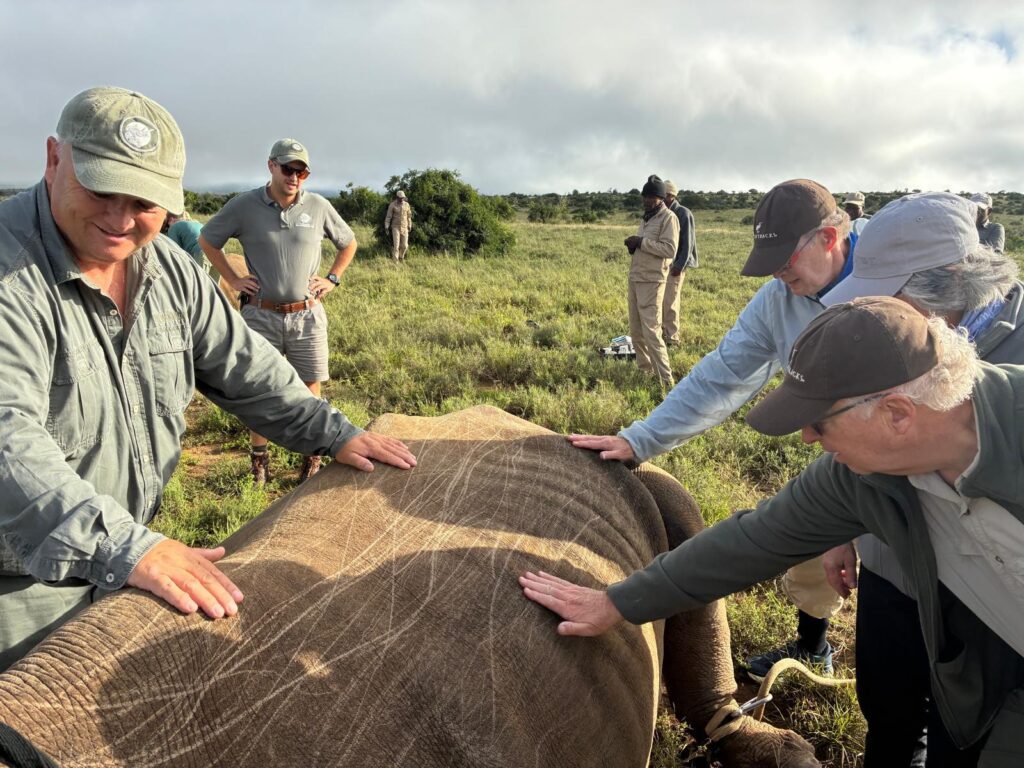
From there the journey moves south, to the Eastern Cape and Kwandwe Private Game Reserve. Unlike Timbavati and Phinda, Kwandwe tells a story not of protection or recovery, but of restoration. Once farmland, it has been painstakingly rewilded, transformed into a functioning ecosystem where elephants roam and critically endangered black rhinos are guarded with cutting-edge monitoring and veterinary care. Here, guests may assist during rhino interventions — microchipping or collaring that, while clinical in nature, is essential to the animal’s survival. Just beyond the reserve’s boundaries, the Kwandwe Foundation invests in schools, vocational training, and sustainable agriculture, ensuring that conservation success translates into resilience for neighboring communities as well.
Taken together, the three reserves illustrate an arc of conservation: vigilance in Timbavati, recovery at Phinda, restoration at Kwandwe. It is not a simple story, nor is it a finished one. But Daniela’s intent in curating this itinerary was to show that the challenges and the solutions are inseparable — that the fate of species is tied to people, and that every intervention, from a ranger’s patrol to a child’s education, contributes to the outcome.
The true power of journeys like this one is the reminder that conservation is not a distant issue, but a shared responsibility. It takes networks of scientists, rangers, veterinarians, community leaders — and, increasingly, travelers willing to look beyond the surface beauty of a safari. In the quiet moments — standing under a vast night sky in Timbavati, watching a pangolin slip back into the wild at Phinda, or observing a rhino find its footing after a veterinary procedure in Kwandwe — guests come to understand what is truly at stake, and why the fight to protect Africa’s wild places matters more now than ever.
Click here to view the full itinerary.